Deprecated: Creation of dynamic property WP_Term::$term_order is deprecated in D:\inetpub\vhosts\cghearth.com\httpdocs\earthcalling\wp-includes\class-wp-term.php on line 198
Deprecated: Creation of dynamic property WP_Term::$term_order is deprecated in D:\inetpub\vhosts\cghearth.com\httpdocs\earthcalling\wp-includes\class-wp-term.php on line 198
Deprecated: Creation of dynamic property WP_Term::$cat_ID is deprecated in D:\inetpub\vhosts\cghearth.com\httpdocs\earthcalling\wp-includes\category.php on line 378
Deprecated: Creation of dynamic property WP_Term::$category_count is deprecated in D:\inetpub\vhosts\cghearth.com\httpdocs\earthcalling\wp-includes\category.php on line 379
Deprecated: Creation of dynamic property WP_Term::$category_description is deprecated in D:\inetpub\vhosts\cghearth.com\httpdocs\earthcalling\wp-includes\category.php on line 380
Deprecated: Creation of dynamic property WP_Term::$cat_name is deprecated in D:\inetpub\vhosts\cghearth.com\httpdocs\earthcalling\wp-includes\category.php on line 381
Deprecated: Creation of dynamic property WP_Term::$category_nicename is deprecated in D:\inetpub\vhosts\cghearth.com\httpdocs\earthcalling\wp-includes\category.php on line 382
Deprecated: Creation of dynamic property WP_Term::$category_parent is deprecated in D:\inetpub\vhosts\cghearth.com\httpdocs\earthcalling\wp-includes\category.php on line 383
Deprecated: Creation of dynamic property WP_Term::$term_order is deprecated in D:\inetpub\vhosts\cghearth.com\httpdocs\earthcalling\wp-includes\class-wp-term.php on line 198

The company has seven boats; four with two bedrooms and three with one bedroom each. All are skillfully constructed in natural materials the traditional way, yet are not lacking in comfort, with separate bathrooms and plenty of space. We were given the smallest boat, which was ideal for us, since we were able to travel along the narrower backwaters. This gave us an unending panorama of rural life, on and beside the water and across the fields. People paddled their canoes, fishermen cast their nets, children were ferried to school and birds were everywhere. Back on the lake a family of otters swam right past us. It was all very peaceful.

We had a crew of three, who could not have been more skilled and hospitable. We own a canal boat in England, so know something about handling and living on a boat. It was sheer luxury to have all the tasks done for us this time, while we could relax and enjoy every moment. The quality of the meals, prepared in a small space above the engine, was superb. Everything was fresh and beautifully presented, from the vegetables to the grated coconut and, of course, the fish. We are glad we chose to go for more than one night; it merits at least two or even three. In this way you can cover quite a large area and go ashore too, as we did when we visited a temple. Now that we know how lovely a Spice Coast Cruise can be, we shall definitely be recommending it to our friends, and we ourselves would happily do it all over again.
]]>Deprecated: Creation of dynamic property WP_Term::$term_order is deprecated in D:\inetpub\vhosts\cghearth.com\httpdocs\earthcalling\wp-includes\class-wp-term.php on line 198
Deprecated: Creation of dynamic property WP_Term::$term_order is deprecated in D:\inetpub\vhosts\cghearth.com\httpdocs\earthcalling\wp-includes\class-wp-term.php on line 198
Deprecated: Creation of dynamic property WP_Term::$term_order is deprecated in D:\inetpub\vhosts\cghearth.com\httpdocs\earthcalling\wp-includes\class-wp-term.php on line 198
Deprecated: Creation of dynamic property WP_Term::$cat_ID is deprecated in D:\inetpub\vhosts\cghearth.com\httpdocs\earthcalling\wp-includes\category.php on line 378
Deprecated: Creation of dynamic property WP_Term::$category_count is deprecated in D:\inetpub\vhosts\cghearth.com\httpdocs\earthcalling\wp-includes\category.php on line 379
Deprecated: Creation of dynamic property WP_Term::$category_description is deprecated in D:\inetpub\vhosts\cghearth.com\httpdocs\earthcalling\wp-includes\category.php on line 380
Deprecated: Creation of dynamic property WP_Term::$cat_name is deprecated in D:\inetpub\vhosts\cghearth.com\httpdocs\earthcalling\wp-includes\category.php on line 381
Deprecated: Creation of dynamic property WP_Term::$category_nicename is deprecated in D:\inetpub\vhosts\cghearth.com\httpdocs\earthcalling\wp-includes\category.php on line 382
Deprecated: Creation of dynamic property WP_Term::$category_parent is deprecated in D:\inetpub\vhosts\cghearth.com\httpdocs\earthcalling\wp-includes\category.php on line 383
Deprecated: Creation of dynamic property WP_Term::$term_order is deprecated in D:\inetpub\vhosts\cghearth.com\httpdocs\earthcalling\wp-includes\class-wp-term.php on line 198
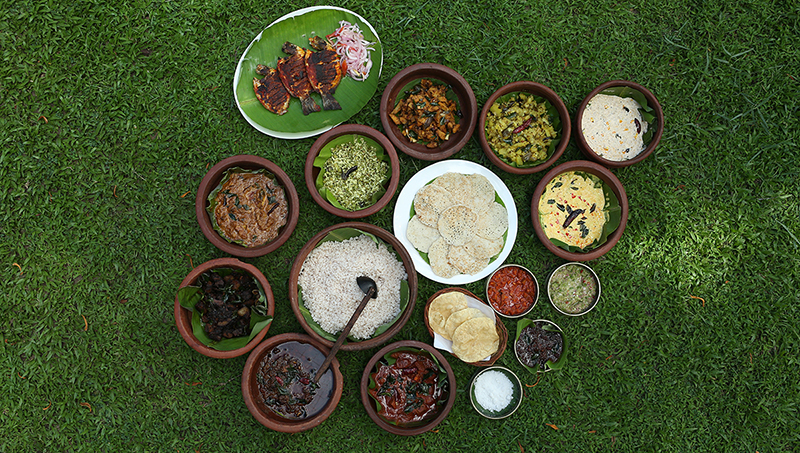
State recognition has come only now — with the government of Kerala anointing it the state fish in July and calling 2010-11 the Year of Karimeen (as though our Marxists were visited by some Chinese almanac-makers) and asking Malayali’s to farm it in little patches of backwaters in their backyard — but respect has always been given to this fish. Code No. 2: you don’t hack your karimeen. You could instead gently daub it with a marinade of black pepper, red chillies, turmeric and salt, slide it into smoking-hot oil and get in five minutes a marvel of tastes and textures. Outside the skin will be wrinkled crisp and carrying the sharpness of pepper; inside will be a lean layer of white flesh that will break in your mouth in creamy bits. And then you will feel it — a faint under taste of clay, a dash of earthiness that smarts out of its exquisiteness striking the back of your palate. And that makes all the difference. (It is all in the mud, they say. Along the backwaters in southern Kerala, people say our karimeen is better than yours. The one caught from the Kanjiracode creek in Kollam? Heavenly. What the hell, comrade, nothing compares to the fish of low-lying Kuttanad in Alappuzha!) Or, you could cook it with red chilly and kudampuli (literally, pot-shaped tamarind, this kokum is sharper than the Goans’) and a whiff of fenugreek. That’s fierce. Or, you could simmer it in a clay pot, letting it soak in a thick sauce of coconut and spices, green chillies, curry leaves and tangy crescents of green mango. Here the curry is creamier and the flavours coaxed out ever so gently. Or, you could wrap it in a banana leaf — and add another layer of flavour and fragrance. But it is the moilee that forms the perfect backdrop for the fish. Here everything else — the sweated onions, the sautéed ginger, the split green chillies, the sprigs of curry leaves, the rivulet of coconut milk — is just a prop. Amid all this the karimeen sings. An elaborate raga vistaram in slow vilamba kalam. How does this black fish fare against the other giant of regional cuisine, the ilish? If there is one fish that can cut through all kinds of riverine nostalgia and lay claim to you at first bite, it is ilish. Its silvery skin coated with golden mustard is culinary Klimt. You tear away its flaky white flesh, unravelling in the process the pink and ruddy layers underneath, and place it on the tip of your tongue. And it takes a trip across the taste buds, tapping thrice on every one of them. You need the arrogance of mustard to stop that kind of ravishing. You need the distraction of teasing out the hoary bones to find some kind of relief.
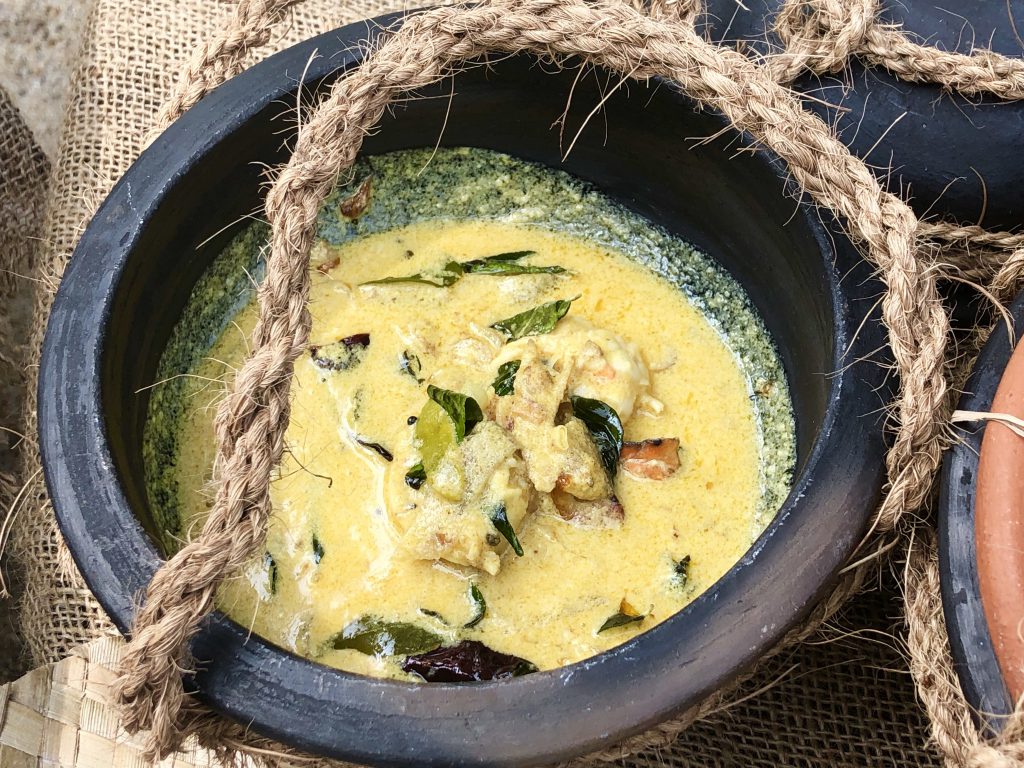
It is the moilee that forms the perfect backdrop for the fish. Here everything else — the sweated onions, the sautéed ginger, the split green chillies, the sprigs of curry leaves, the rivulet of coconut milk — is just a prop. Amid all this the karimeen sings.
Ilish or karimeen? There can’t be two fish that are more different. One leaves the sea and gallantly swims up the river to spawn and then returns to brine after the monsoon; the other unassumingly lounges in the loam of the backwaters. Ilish knows the splendid assault, but it doesn’t understand foreplay. It dictates when you can have it (when it deigns to swim to the river). And with its unctuousness, this despot determines how much you can have of it. And a dandy of a
despot it is while you are at it, pay special attention to its bony, filigreed structure. Karimeen, though, lets you set the pace. It won’t disturb you with its bones; it won’t distract you with anything but its taste. And if one carries in it the flavours of the river and the sea, the other is elemental symphony — of mud and mossy water. Food is memories. The fish you like says more about what you are than what it is. Karimeen is a black fin that shoots through a sepia mindscape. And ilish, even ilish, can’t do much about it.
This article has been reprinted with permission from The Indian Express
Try the karimeen dishes at any of our resort restaurants,
and enjoy your own memories of it!