Deprecated: Creation of dynamic property WP_Term::$term_order is deprecated in D:\inetpub\vhosts\cghearth.com\httpdocs\earthcalling\wp-includes\class-wp-term.php on line 198
Deprecated: Creation of dynamic property WP_Term::$term_order is deprecated in D:\inetpub\vhosts\cghearth.com\httpdocs\earthcalling\wp-includes\class-wp-term.php on line 198
Deprecated: Creation of dynamic property WP_Term::$term_order is deprecated in D:\inetpub\vhosts\cghearth.com\httpdocs\earthcalling\wp-includes\class-wp-term.php on line 198
Deprecated: Creation of dynamic property WP_Term::$term_order is deprecated in D:\inetpub\vhosts\cghearth.com\httpdocs\earthcalling\wp-includes\class-wp-term.php on line 198
Deprecated: Creation of dynamic property WP_Term::$term_order is deprecated in D:\inetpub\vhosts\cghearth.com\httpdocs\earthcalling\wp-includes\class-wp-term.php on line 198
Deprecated: Creation of dynamic property WP_Term::$term_order is deprecated in D:\inetpub\vhosts\cghearth.com\httpdocs\earthcalling\wp-includes\class-wp-term.php on line 198
Deprecated: Creation of dynamic property WP_Term::$term_order is deprecated in D:\inetpub\vhosts\cghearth.com\httpdocs\earthcalling\wp-includes\class-wp-term.php on line 198
Deprecated: Creation of dynamic property WP_Term::$term_order is deprecated in D:\inetpub\vhosts\cghearth.com\httpdocs\earthcalling\wp-includes\class-wp-term.php on line 198
Deprecated: Creation of dynamic property WP_Term::$cat_ID is deprecated in D:\inetpub\vhosts\cghearth.com\httpdocs\earthcalling\wp-includes\category.php on line 378
Deprecated: Creation of dynamic property WP_Term::$category_count is deprecated in D:\inetpub\vhosts\cghearth.com\httpdocs\earthcalling\wp-includes\category.php on line 379
Deprecated: Creation of dynamic property WP_Term::$category_description is deprecated in D:\inetpub\vhosts\cghearth.com\httpdocs\earthcalling\wp-includes\category.php on line 380
Deprecated: Creation of dynamic property WP_Term::$cat_name is deprecated in D:\inetpub\vhosts\cghearth.com\httpdocs\earthcalling\wp-includes\category.php on line 381
Deprecated: Creation of dynamic property WP_Term::$category_nicename is deprecated in D:\inetpub\vhosts\cghearth.com\httpdocs\earthcalling\wp-includes\category.php on line 382
Deprecated: Creation of dynamic property WP_Term::$category_parent is deprecated in D:\inetpub\vhosts\cghearth.com\httpdocs\earthcalling\wp-includes\category.php on line 383
Deprecated: Creation of dynamic property WP_Term::$term_order is deprecated in D:\inetpub\vhosts\cghearth.com\httpdocs\earthcalling\wp-includes\class-wp-term.php on line 198
Deprecated: Creation of dynamic property WP_Term::$term_order is deprecated in D:\inetpub\vhosts\cghearth.com\httpdocs\earthcalling\wp-includes\class-wp-term.php on line 198
Deprecated: Creation of dynamic property WP_Term::$term_order is deprecated in D:\inetpub\vhosts\cghearth.com\httpdocs\earthcalling\wp-includes\class-wp-term.php on line 198
Deprecated: Creation of dynamic property WP_Term::$term_order is deprecated in D:\inetpub\vhosts\cghearth.com\httpdocs\earthcalling\wp-includes\class-wp-term.php on line 198
Menus in Western restaurants often focus on dishes from northern India. When these are served restaurant-style and heavy in oil and cream, it’s easy to think that all Indian food is overly rich and oily. But come with me as I take you on a culinary tour across south India and show you over 100 dishes that will change your mind. I will introduce you to the kind and generous chefs and cooks from CGH Earth properties who shared and demonstrated these recipes, patiently waiting for me to take thousands of photos and notes.
100+ Recipes
I have collated all the recipes in meal courses at the end of this article to make it easy for you to find dishes you’d like to try. But to truly share the food joy with you, I’ve also chosen to feature a dish that was particularly special, from many of these gifted people. Each recipe also showcases some of the interesting characteristics of the local cuisine in each district and will give you a snapshot of the diversity and patterns. And I really do think you will quickly understand that it’s not all about the food. It’s about the passionate people behind the food whom I hope you will delight in knowing too.
Do open the Facebook posts fully, in this and the linked articles, to get all the details and photos to help you understand the dishes. Do this by clicking on the time/date at the top of each Facebook post (just under the words Food and Travel Secrets). And if you are interested in having a first hand experience of all this delicious food, why not try my First Timer’s Top South India Itinerary, that makes it all so easy. My article is also perfect for armchair travellers keen to see the rest of the properties behind these culinary teams.
Meet the Chefs and the Dishes
Pondicherry – Palais de Mahe
Chef Kathir’s Parmesan Baked Pomfret
Pondicherry’s French colonial heritage has inspired wonderful dishes that combine both French and Indian ingredients to create lovely fusion dishes.
At Palais de Mahe in Pondicherry’s French Quarter, Chef Kathir’s Parmesan Baked Pomfret was one of the best dishes I’ve ever enjoyed. It was made particularly special as Kathir took me to the local market to select the fish for this dish.
Pondicherry is known for it’s fusion cuisine, but I didn’t really appreciate what this meant until I tasted Chef Kathir’s Rawa Fried Ladyfish and Parmesan Baked Pomfret.

Chettinadu – Visalam
Chef Latha’s Recipe for the Famous Chettinad Chicken
The Chettinadu region of Tamil Nadu is famous for a different kind of fusion of cuisines. It was the wealthy, trading families from this area who ventured far from India to bring back new spices, ingredients and techniques from Indonesia, Sri Lanka, Malaysia, Vietnam and Burma. Chettiar dishes have a reputation for being spicier, though not necessarily hotter and using more of the south east asian spices like star anise.

Kerala
Thekkady – Spice Village
Spice Village, in the centre of the pepper and cardamom growing area, not only highlights how spices are grown and used in dishes, but they are also committed to an local, sustainable focus throughout their menu and property. In fact, Spice Village has created a range of delicious recipes for their 50 Mile Diet Restaurant where all ingredients are sourced within a 50-mile radius. With this genuine earth to plate philosophy, they also make innovative use of the many jackfruit growing on the property in jackfruit season. Eating here is a real treat.
Varikka Chakka Pradaman (Jackfruit dessert)

Fort Kochi – Brunton Boatyard
Brunton Boatyard has taken the challenge of collating Fort Kochi’s melting pot of cuisines for the History Restaurant menu. From Portuguese seafood stew to a whole marinated fish from a local Jewish family. A stuffed chicken dish in cashew sauce from skilled Afghani riders features alongside the subtly spiced roast chicken created for the British officials they served. The menu reads as a historical culinary record and is delight in itself.

Pondicherry – Maison Perumal
Over in Pondicherry’s Tamil Quarter, kitchens are cooking another whole different cuisine. At CGH Earth’s Maison Perumal Chef Couga Baba showed me a very traditional Tamil recipe that is made with 12 whole garlics and a thick tomato and onion gravy. It tasted wonderful! The other very special thing about this recipe is that Couga Baba also gave me the recipe to make the garam marsala (in grams)!

Fort Kochi – Eighth Bastion
Like Pondicherry on the far eastern coast of South India, Fort Kochi on the far western coast has a rich colonial heritage. Traders and rulers from Europe came to build wealth and this attracted workers and business families from around the globe, creating a melting pot of cultures and cuisines. And like Pondicherry, Fort Kochi does fusion cuisine beautifully too.
The East Indies Restaurant at Eighth Bastion has taken a Dutch colonial themed approach to their dishes. The menu has been thoughtfully constructed with dishes sourced from countries where the Dutch travelled and traded. Here you find a delicious use of peanut and sambal or cognac and cream to create innovative dishes with the local seafood and old Dutch favourites.
Chef Shinto’s Prawn and Mango in Banana Leaf

Wayanad – Wayanad Wild
Wayanad Wild in the rainforest of the Western Ghats uses local foods and produce, like Bamboo Rice, to create traditional regional dishes. But the menu is also a testimony to the South Indian love of fish and seafood no matter where you are in southern India.
Chef Vishnu’s Malabar Fish Curry

Kumbakonam – Mantra Koodam
Deep in the spiritual pilgrimage temple region of rural Tamil Nadu I was expecting to find mostly vegetarian dishes but in fact discovered many Tamil dishes including chicken or fish. Here I was introduced to Kalpasi, a species of lichen used as spice, curry leaves used as a paste and an amazing hibiscus raita using urad dal, a common Tamil spice. This is the place to try the famous ‘degree coffee’ a very special south indian filter coffee where the quality of the milk is measured with a lactometer.
Chef Murutharanan’s Tamil Nadu Curry Leaves Pepper Chicken

Deprecated: Creation of dynamic property WP_Term::$term_order is deprecated in D:\inetpub\vhosts\cghearth.com\httpdocs\earthcalling\wp-includes\class-wp-term.php on line 198
Deprecated: Creation of dynamic property WP_Term::$term_order is deprecated in D:\inetpub\vhosts\cghearth.com\httpdocs\earthcalling\wp-includes\class-wp-term.php on line 198
Deprecated: Creation of dynamic property WP_Term::$term_order is deprecated in D:\inetpub\vhosts\cghearth.com\httpdocs\earthcalling\wp-includes\class-wp-term.php on line 198
Deprecated: Creation of dynamic property WP_Term::$cat_ID is deprecated in D:\inetpub\vhosts\cghearth.com\httpdocs\earthcalling\wp-includes\category.php on line 378
Deprecated: Creation of dynamic property WP_Term::$category_count is deprecated in D:\inetpub\vhosts\cghearth.com\httpdocs\earthcalling\wp-includes\category.php on line 379
Deprecated: Creation of dynamic property WP_Term::$category_description is deprecated in D:\inetpub\vhosts\cghearth.com\httpdocs\earthcalling\wp-includes\category.php on line 380
Deprecated: Creation of dynamic property WP_Term::$cat_name is deprecated in D:\inetpub\vhosts\cghearth.com\httpdocs\earthcalling\wp-includes\category.php on line 381
Deprecated: Creation of dynamic property WP_Term::$category_nicename is deprecated in D:\inetpub\vhosts\cghearth.com\httpdocs\earthcalling\wp-includes\category.php on line 382
Deprecated: Creation of dynamic property WP_Term::$category_parent is deprecated in D:\inetpub\vhosts\cghearth.com\httpdocs\earthcalling\wp-includes\category.php on line 383
Deprecated: Creation of dynamic property WP_Term::$term_order is deprecated in D:\inetpub\vhosts\cghearth.com\httpdocs\earthcalling\wp-includes\class-wp-term.php on line 198
This is prepared by the guests and chef in a local style at a small, traditionally thatched area near the vegetable patch. “We like eating and we love cooking, so this was a very interesting experience. Also, we realise that the Indian cooking we tried back home was quite different.”
The meal that was brought to the table was a hearty, herby stew, a main course of banana curry, amaranth, mixed beans, fish wrapped in banana leaf, along with rice, and a dessert of coconut milk with hibiscus, freshly made and served hot.

At the 50-Mile Diet restaurant in Spice Village, where fragrant spices grow in abundance, all ingredients are sourced within a 50-mile radius, in an effort to cut down our carbon footprint. Each dish has a unique compelling evocation which is particularly adapted to the place or cultural interaction. The Kerala hotels provide innovative regional variations on the state’s trade-influenced cuisines. In Brunton Boatyard, the cuisine features Jewish and British influences from its trading and colonial past. The Eight Bastion, also in Fort Kochi, has a menu designed to include the distinct Dutch flavours.

Marari Beach Resort’s proximity to the sea and the natural beauty of the fishing village means that the catch of the day, in several delectable avatars, is a star attraction on the menu! Spice Village, set on the fringes of the Periyar Tiger Reserve, showcases influences of the local tribes, while Coconut Lagoon, that also harvests most of its produce (such as the red Kerala rice) within the property, boasts central Tranvancore cuisine, such as coconut milk-based ‘mappas’, and duck specialties of the Kuttanad region. Similarly, aboard Spice Coast Cruises, the food is deeply reminiscent of local and cultural interactions, while in at Chittoor Kottaram, the n ‘sadyas’ (meals) are fit for rajahs.

At wellness resorts Kalari Kovilakom, Kalari Rasayana, SwaSwara and the new Vanavasaa, the food is dosha-specific and typically Sattvik in nature. Your diet is determined by the in-house Vaidya after a detailed consultation. We also serve seafood.

At our hotels in Tamil Nadu, the cuisine is rather specific: while Maison Perumal in Puducherry brings you gourmet Tamil cuisine, Palais de Mahe serves it to you with an international twist, and the café offers fresh, continental salads and sandwiches. Visalam, a home in Chettinad, serves the popular local and distinctive Chettinad cuisine. Everything is prepared gourmet style, with a lot of finesse and flair, by skilled local chefs.
The ‘most romantic getaway in India’ (according to Conde Nast Traveller), Coconut Lagoon, along the banks of the backwaters in Kuttanad, uses its traditional, scenic setting to full advantage, offering a dining experience like other. From paddy hut dining with a great view of the birds, to eating a Curry Lunch on a long table, the experience is atmospheric, connected and wholesome.

Finally, our guests always point out that the food experience is always made more memorable for them by the warm staff, several of whom become their friends.
]]>Deprecated: Creation of dynamic property WP_Term::$term_order is deprecated in D:\inetpub\vhosts\cghearth.com\httpdocs\earthcalling\wp-includes\class-wp-term.php on line 198
Deprecated: Creation of dynamic property WP_Term::$term_order is deprecated in D:\inetpub\vhosts\cghearth.com\httpdocs\earthcalling\wp-includes\class-wp-term.php on line 198
Deprecated: Creation of dynamic property WP_Term::$term_order is deprecated in D:\inetpub\vhosts\cghearth.com\httpdocs\earthcalling\wp-includes\class-wp-term.php on line 198
Deprecated: Creation of dynamic property WP_Term::$cat_ID is deprecated in D:\inetpub\vhosts\cghearth.com\httpdocs\earthcalling\wp-includes\category.php on line 378
Deprecated: Creation of dynamic property WP_Term::$category_count is deprecated in D:\inetpub\vhosts\cghearth.com\httpdocs\earthcalling\wp-includes\category.php on line 379
Deprecated: Creation of dynamic property WP_Term::$category_description is deprecated in D:\inetpub\vhosts\cghearth.com\httpdocs\earthcalling\wp-includes\category.php on line 380
Deprecated: Creation of dynamic property WP_Term::$cat_name is deprecated in D:\inetpub\vhosts\cghearth.com\httpdocs\earthcalling\wp-includes\category.php on line 381
Deprecated: Creation of dynamic property WP_Term::$category_nicename is deprecated in D:\inetpub\vhosts\cghearth.com\httpdocs\earthcalling\wp-includes\category.php on line 382
Deprecated: Creation of dynamic property WP_Term::$category_parent is deprecated in D:\inetpub\vhosts\cghearth.com\httpdocs\earthcalling\wp-includes\category.php on line 383
Deprecated: Creation of dynamic property WP_Term::$term_order is deprecated in D:\inetpub\vhosts\cghearth.com\httpdocs\earthcalling\wp-includes\class-wp-term.php on line 198
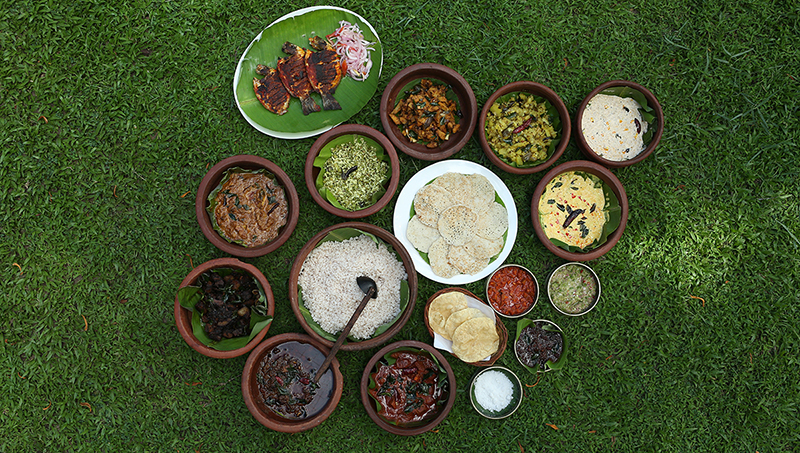
State recognition has come only now — with the government of Kerala anointing it the state fish in July and calling 2010-11 the Year of Karimeen (as though our Marxists were visited by some Chinese almanac-makers) and asking Malayali’s to farm it in little patches of backwaters in their backyard — but respect has always been given to this fish. Code No. 2: you don’t hack your karimeen. You could instead gently daub it with a marinade of black pepper, red chillies, turmeric and salt, slide it into smoking-hot oil and get in five minutes a marvel of tastes and textures. Outside the skin will be wrinkled crisp and carrying the sharpness of pepper; inside will be a lean layer of white flesh that will break in your mouth in creamy bits. And then you will feel it — a faint under taste of clay, a dash of earthiness that smarts out of its exquisiteness striking the back of your palate. And that makes all the difference. (It is all in the mud, they say. Along the backwaters in southern Kerala, people say our karimeen is better than yours. The one caught from the Kanjiracode creek in Kollam? Heavenly. What the hell, comrade, nothing compares to the fish of low-lying Kuttanad in Alappuzha!) Or, you could cook it with red chilly and kudampuli (literally, pot-shaped tamarind, this kokum is sharper than the Goans’) and a whiff of fenugreek. That’s fierce. Or, you could simmer it in a clay pot, letting it soak in a thick sauce of coconut and spices, green chillies, curry leaves and tangy crescents of green mango. Here the curry is creamier and the flavours coaxed out ever so gently. Or, you could wrap it in a banana leaf — and add another layer of flavour and fragrance. But it is the moilee that forms the perfect backdrop for the fish. Here everything else — the sweated onions, the sautéed ginger, the split green chillies, the sprigs of curry leaves, the rivulet of coconut milk — is just a prop. Amid all this the karimeen sings. An elaborate raga vistaram in slow vilamba kalam. How does this black fish fare against the other giant of regional cuisine, the ilish? If there is one fish that can cut through all kinds of riverine nostalgia and lay claim to you at first bite, it is ilish. Its silvery skin coated with golden mustard is culinary Klimt. You tear away its flaky white flesh, unravelling in the process the pink and ruddy layers underneath, and place it on the tip of your tongue. And it takes a trip across the taste buds, tapping thrice on every one of them. You need the arrogance of mustard to stop that kind of ravishing. You need the distraction of teasing out the hoary bones to find some kind of relief.
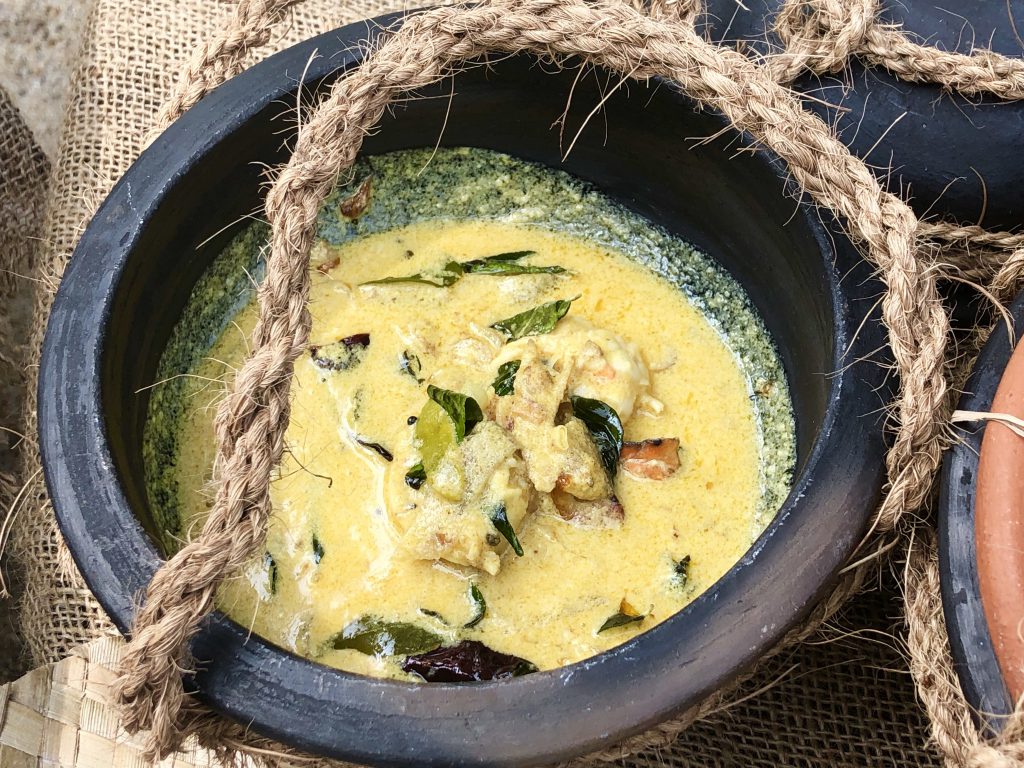
It is the moilee that forms the perfect backdrop for the fish. Here everything else — the sweated onions, the sautéed ginger, the split green chillies, the sprigs of curry leaves, the rivulet of coconut milk — is just a prop. Amid all this the karimeen sings.
Ilish or karimeen? There can’t be two fish that are more different. One leaves the sea and gallantly swims up the river to spawn and then returns to brine after the monsoon; the other unassumingly lounges in the loam of the backwaters. Ilish knows the splendid assault, but it doesn’t understand foreplay. It dictates when you can have it (when it deigns to swim to the river). And with its unctuousness, this despot determines how much you can have of it. And a dandy of a
despot it is while you are at it, pay special attention to its bony, filigreed structure. Karimeen, though, lets you set the pace. It won’t disturb you with its bones; it won’t distract you with anything but its taste. And if one carries in it the flavours of the river and the sea, the other is elemental symphony — of mud and mossy water. Food is memories. The fish you like says more about what you are than what it is. Karimeen is a black fin that shoots through a sepia mindscape. And ilish, even ilish, can’t do much about it.
This article has been reprinted with permission from The Indian Express
Try the karimeen dishes at any of our resort restaurants,
and enjoy your own memories of it!
Deprecated: Creation of dynamic property WP_Term::$term_order is deprecated in D:\inetpub\vhosts\cghearth.com\httpdocs\earthcalling\wp-includes\class-wp-term.php on line 198
Deprecated: Creation of dynamic property WP_Term::$term_order is deprecated in D:\inetpub\vhosts\cghearth.com\httpdocs\earthcalling\wp-includes\class-wp-term.php on line 198
Deprecated: Creation of dynamic property WP_Term::$term_order is deprecated in D:\inetpub\vhosts\cghearth.com\httpdocs\earthcalling\wp-includes\class-wp-term.php on line 198
Deprecated: Creation of dynamic property WP_Term::$term_order is deprecated in D:\inetpub\vhosts\cghearth.com\httpdocs\earthcalling\wp-includes\class-wp-term.php on line 198
Deprecated: Creation of dynamic property WP_Term::$cat_ID is deprecated in D:\inetpub\vhosts\cghearth.com\httpdocs\earthcalling\wp-includes\category.php on line 378
Deprecated: Creation of dynamic property WP_Term::$category_count is deprecated in D:\inetpub\vhosts\cghearth.com\httpdocs\earthcalling\wp-includes\category.php on line 379
Deprecated: Creation of dynamic property WP_Term::$category_description is deprecated in D:\inetpub\vhosts\cghearth.com\httpdocs\earthcalling\wp-includes\category.php on line 380
Deprecated: Creation of dynamic property WP_Term::$cat_name is deprecated in D:\inetpub\vhosts\cghearth.com\httpdocs\earthcalling\wp-includes\category.php on line 381
Deprecated: Creation of dynamic property WP_Term::$category_nicename is deprecated in D:\inetpub\vhosts\cghearth.com\httpdocs\earthcalling\wp-includes\category.php on line 382
Deprecated: Creation of dynamic property WP_Term::$category_parent is deprecated in D:\inetpub\vhosts\cghearth.com\httpdocs\earthcalling\wp-includes\category.php on line 383
Deprecated: Creation of dynamic property WP_Term::$term_order is deprecated in D:\inetpub\vhosts\cghearth.com\httpdocs\earthcalling\wp-includes\class-wp-term.php on line 198
There are memories about the food at CGH Earth. There is a businessman who tells us he has returned many times with family, friends and business associates to Casino Hotel’s famed Fort Kochi restaurant, where you can pick your seafood from a fresh platter, and have it cooked the way you would like.

There was a lady who was treated to evening tea by her fiancé in the late ‘70s, at Casino’s Tharavad restaurant. She never had the chance to come back after they started a family, but she says that even now after nearly 30 years, she still can’t forget how nervous she was or how delicious the cutlets were. Then there are the stories of our chefs. Many of them love the idea of being “farmer-chefs” and growing their own herbs.

The food and recipes at CGH Earth tell a story of colourful history and heritage, resting on the foundation of authentic, wholesome tastes. Sometimes they are about re-living long lost traditions, and recipes passed down generations, with the same guiding CGH Earth philosophy of keeping nature intact. With a goal to retain freshness and flavour, the food is always local, seasonal and pure. It can be said that ‘gourmet healthy’ comprehensively conveys the idea behind the preparations. It is a gastronomic experience; well-presented and rich in flavour.

Every dish on our menus has a story and thought behind it that makes it a memorable dining experience for guests. There are the cutting-edge gastronomic experiences that CGH offers; at Marari Beach’s Farm Kitchen and the 50-Mile Diet at Spice Village, the food is almost a social and political statement.
]]>