Deprecated: Creation of dynamic property WP_Term::$term_order is deprecated in D:\inetpub\vhosts\cghearth.com\httpdocs\earthcalling\wp-includes\class-wp-term.php on line 198
Deprecated: Creation of dynamic property WP_Term::$term_order is deprecated in D:\inetpub\vhosts\cghearth.com\httpdocs\earthcalling\wp-includes\class-wp-term.php on line 198
Deprecated: Creation of dynamic property WP_Term::$term_order is deprecated in D:\inetpub\vhosts\cghearth.com\httpdocs\earthcalling\wp-includes\class-wp-term.php on line 198
Deprecated: Creation of dynamic property WP_Term::$term_order is deprecated in D:\inetpub\vhosts\cghearth.com\httpdocs\earthcalling\wp-includes\class-wp-term.php on line 198
Deprecated: Creation of dynamic property WP_Term::$term_order is deprecated in D:\inetpub\vhosts\cghearth.com\httpdocs\earthcalling\wp-includes\class-wp-term.php on line 198
Deprecated: Creation of dynamic property WP_Term::$term_order is deprecated in D:\inetpub\vhosts\cghearth.com\httpdocs\earthcalling\wp-includes\class-wp-term.php on line 198
Deprecated: Creation of dynamic property WP_Term::$term_order is deprecated in D:\inetpub\vhosts\cghearth.com\httpdocs\earthcalling\wp-includes\class-wp-term.php on line 198
Deprecated: Creation of dynamic property WP_Term::$term_order is deprecated in D:\inetpub\vhosts\cghearth.com\httpdocs\earthcalling\wp-includes\class-wp-term.php on line 198
Deprecated: Creation of dynamic property WP_Term::$cat_ID is deprecated in D:\inetpub\vhosts\cghearth.com\httpdocs\earthcalling\wp-includes\category.php on line 378
Deprecated: Creation of dynamic property WP_Term::$category_count is deprecated in D:\inetpub\vhosts\cghearth.com\httpdocs\earthcalling\wp-includes\category.php on line 379
Deprecated: Creation of dynamic property WP_Term::$category_description is deprecated in D:\inetpub\vhosts\cghearth.com\httpdocs\earthcalling\wp-includes\category.php on line 380
Deprecated: Creation of dynamic property WP_Term::$cat_name is deprecated in D:\inetpub\vhosts\cghearth.com\httpdocs\earthcalling\wp-includes\category.php on line 381
Deprecated: Creation of dynamic property WP_Term::$category_nicename is deprecated in D:\inetpub\vhosts\cghearth.com\httpdocs\earthcalling\wp-includes\category.php on line 382
Deprecated: Creation of dynamic property WP_Term::$category_parent is deprecated in D:\inetpub\vhosts\cghearth.com\httpdocs\earthcalling\wp-includes\category.php on line 383
Deprecated: Creation of dynamic property WP_Term::$term_order is deprecated in D:\inetpub\vhosts\cghearth.com\httpdocs\earthcalling\wp-includes\class-wp-term.php on line 198
Deprecated: Creation of dynamic property WP_Term::$term_order is deprecated in D:\inetpub\vhosts\cghearth.com\httpdocs\earthcalling\wp-includes\class-wp-term.php on line 198
Deprecated: Creation of dynamic property WP_Term::$term_order is deprecated in D:\inetpub\vhosts\cghearth.com\httpdocs\earthcalling\wp-includes\class-wp-term.php on line 198
Deprecated: Creation of dynamic property WP_Term::$term_order is deprecated in D:\inetpub\vhosts\cghearth.com\httpdocs\earthcalling\wp-includes\class-wp-term.php on line 198
Menus in Western restaurants often focus on dishes from northern India. When these are served restaurant-style and heavy in oil and cream, it’s easy to think that all Indian food is overly rich and oily. But come with me as I take you on a culinary tour across south India and show you over 100 dishes that will change your mind. I will introduce you to the kind and generous chefs and cooks from CGH Earth properties who shared and demonstrated these recipes, patiently waiting for me to take thousands of photos and notes.
100+ Recipes
I have collated all the recipes in meal courses at the end of this article to make it easy for you to find dishes you’d like to try. But to truly share the food joy with you, I’ve also chosen to feature a dish that was particularly special, from many of these gifted people. Each recipe also showcases some of the interesting characteristics of the local cuisine in each district and will give you a snapshot of the diversity and patterns. And I really do think you will quickly understand that it’s not all about the food. It’s about the passionate people behind the food whom I hope you will delight in knowing too.
Do open the Facebook posts fully, in this and the linked articles, to get all the details and photos to help you understand the dishes. Do this by clicking on the time/date at the top of each Facebook post (just under the words Food and Travel Secrets). And if you are interested in having a first hand experience of all this delicious food, why not try my First Timer’s Top South India Itinerary, that makes it all so easy. My article is also perfect for armchair travellers keen to see the rest of the properties behind these culinary teams.
Meet the Chefs and the Dishes
Pondicherry – Palais de Mahe
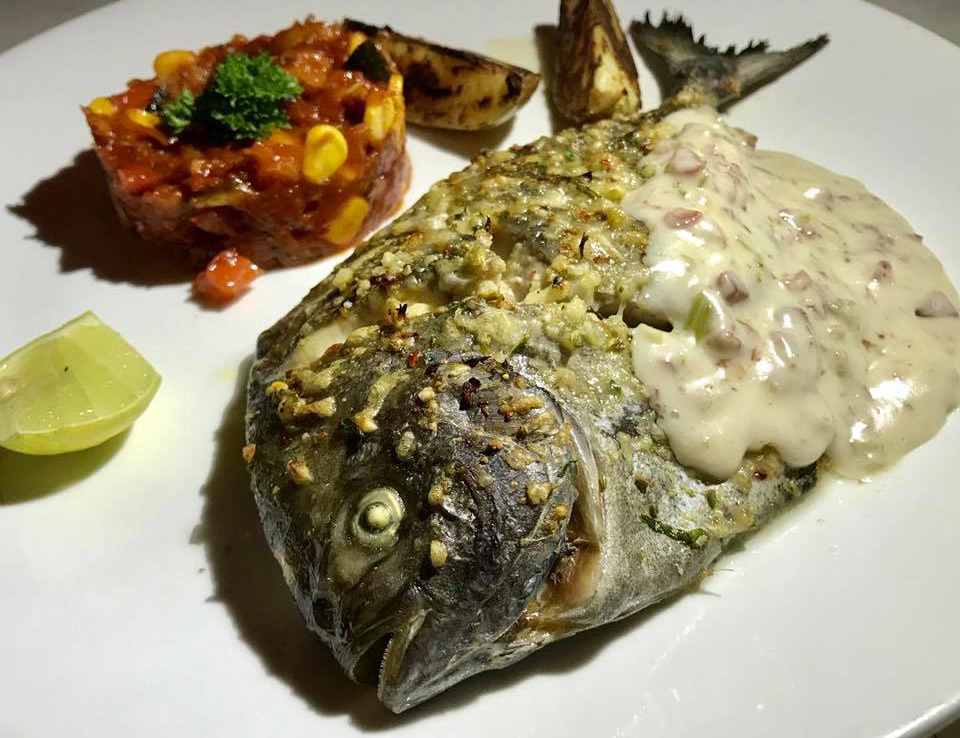
Chef Kathir’s Parmesan Baked Pomfret
Pondicherry’s French colonial heritage has inspired wonderful dishes that combine both French and Indian ingredients to create lovely fusion dishes.
At Palais de Mahe in Pondicherry’s French Quarter, Chef Kathir’s Parmesan Baked Pomfret was one of the best dishes I’ve ever enjoyed. It was made particularly special as Kathir took me to the local market to select the fish for this dish.
Pondicherry is known for it’s fusion cuisine, but I didn’t really appreciate what this meant until I tasted Chef Kathir’s Rawa Fried Ladyfish and Parmesan Baked Pomfret.
Chettinadu – Visalam
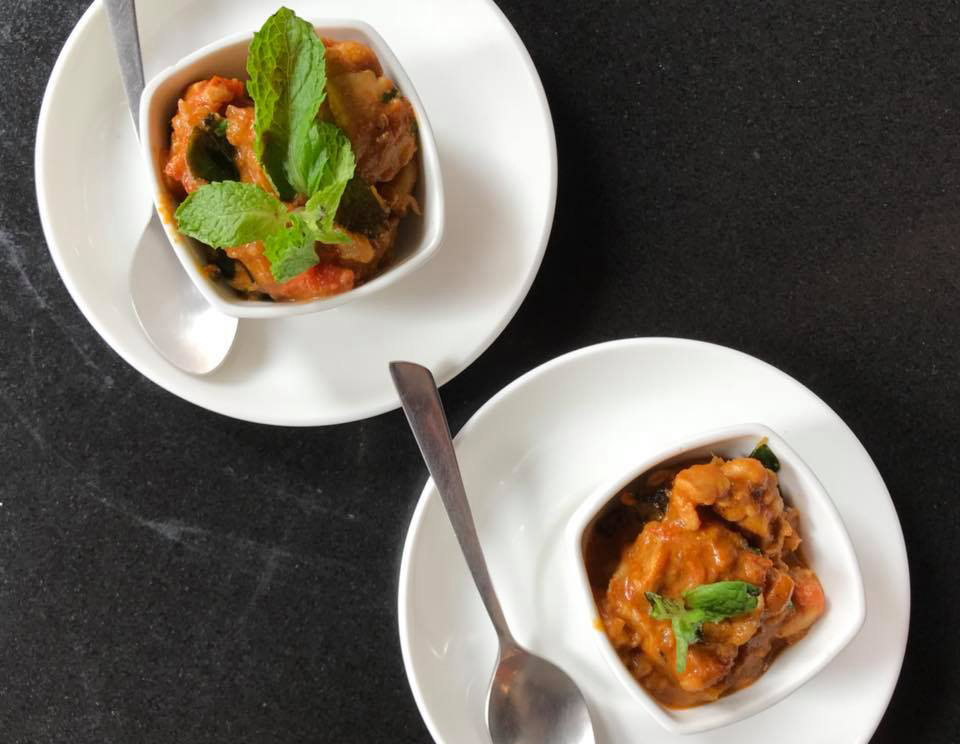
Chef Latha’s Recipe for the Famous Chettinad Chicken
The Chettinadu region of Tamil Nadu is famous for a different kind of fusion of cuisines. It was the wealthy, trading families from this area who ventured far from India to bring back new spices, ingredients and techniques from Indonesia, Sri Lanka, Malaysia, Vietnam and Burma. Chettiar dishes have a reputation for being spicier, though not necessarily hotter and using more of the south east asian spices like star anise.
Kerala
Thekkady – Spice Village
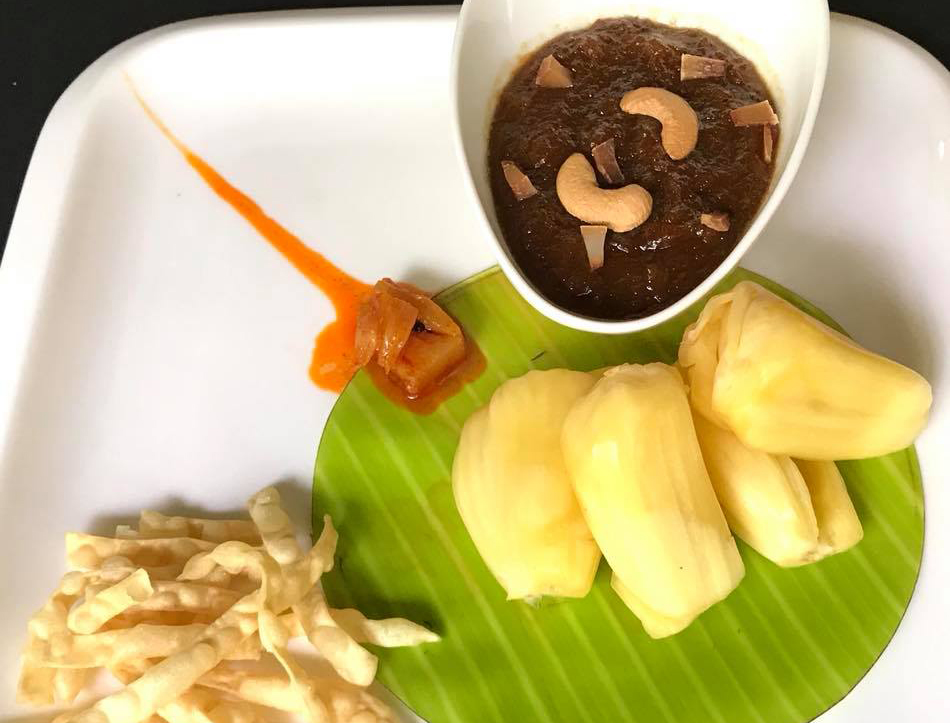
Spice Village, in the centre of the pepper and cardamom growing area, not only highlights how spices are grown and used in dishes, but they are also committed to an local, sustainable focus throughout their menu and property. In fact, Spice Village has created a range of delicious recipes for their 50 Mile Diet Restaurant where all ingredients are sourced within a 50-mile radius. With this genuine earth to plate philosophy, they also make innovative use of the many jackfruit growing on the property in jackfruit season. Eating here is a real treat.
Varikka Chakka Pradaman (Jackfruit dessert)
Fort Kochi – Brunton Boatyard
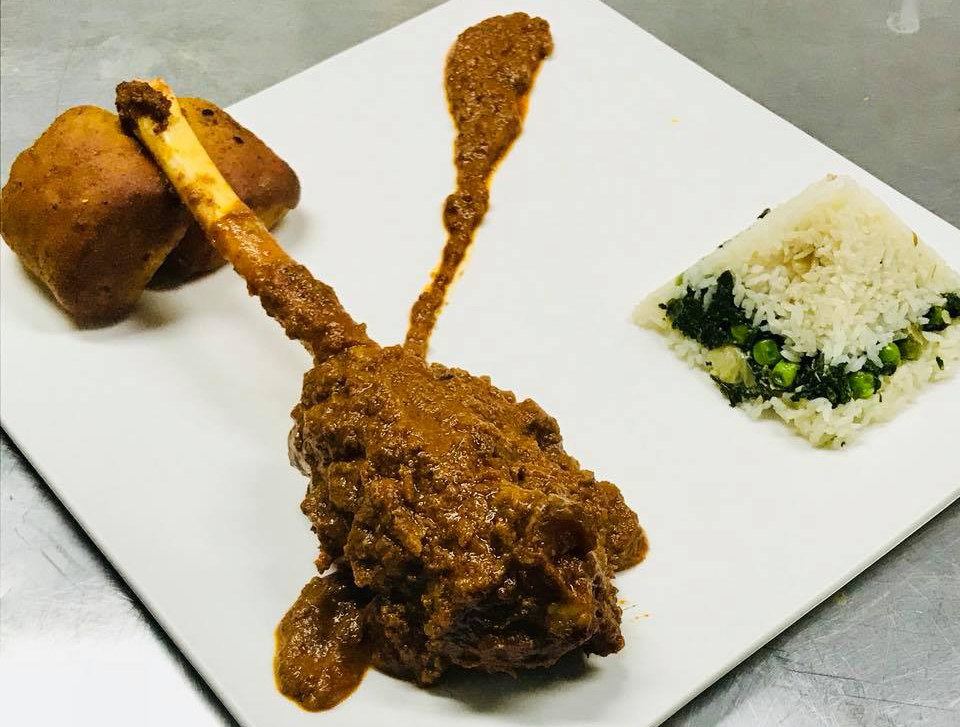
Brunton Boatyard has taken the challenge of collating Fort Kochi’s melting pot of cuisines for the History Restaurant menu. From Portuguese seafood stew to a whole marinated fish from a local Jewish family. A stuffed chicken dish in cashew sauce from skilled Afghani riders features alongside the subtly spiced roast chicken created for the British officials they served. The menu reads as a historical culinary record and is delight in itself.
Pondicherry – Maison Perumal
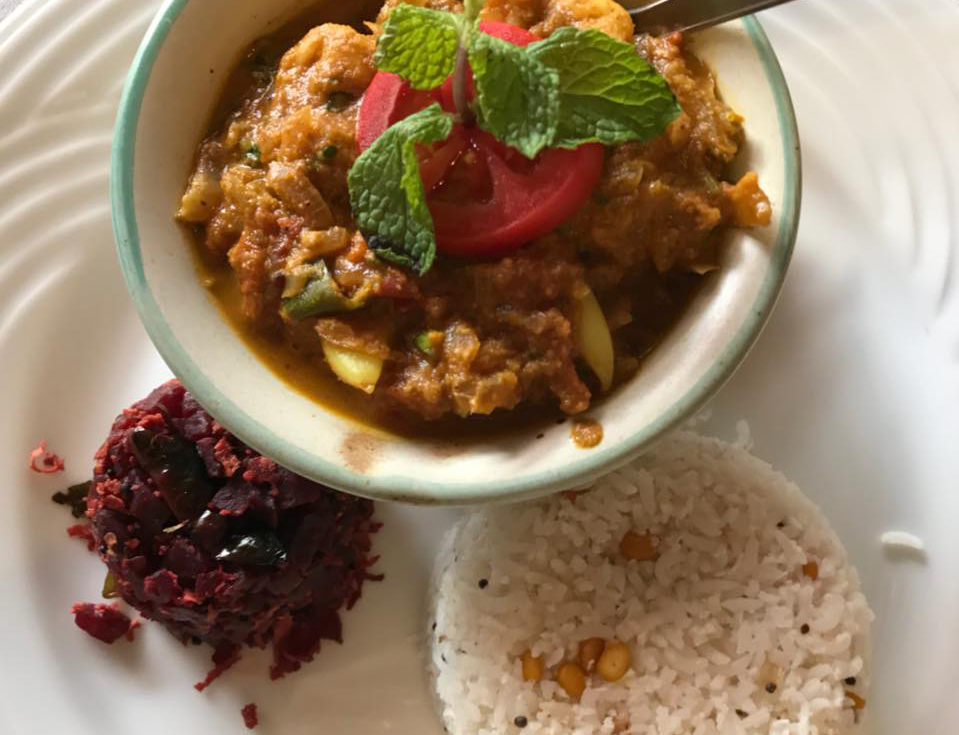
Over in Pondicherry’s Tamil Quarter, kitchens are cooking another whole different cuisine. At CGH Earth’s Maison Perumal Chef Couga Baba showed me a very traditional Tamil recipe that is made with 12 whole garlics and a thick tomato and onion gravy. It tasted wonderful! The other very special thing about this recipe is that Couga Baba also gave me the recipe to make the garam marsala (in grams)!
Fort Kochi – Eighth Bastion
Like Pondicherry on the far eastern coast of South India, Fort Kochi on the far western coast has a rich colonial heritage. Traders and rulers from Europe came to build wealth and this attracted workers and business families from around the globe, creating a melting pot of cultures and cuisines. And like Pondicherry, Fort Kochi does fusion cuisine beautifully too.
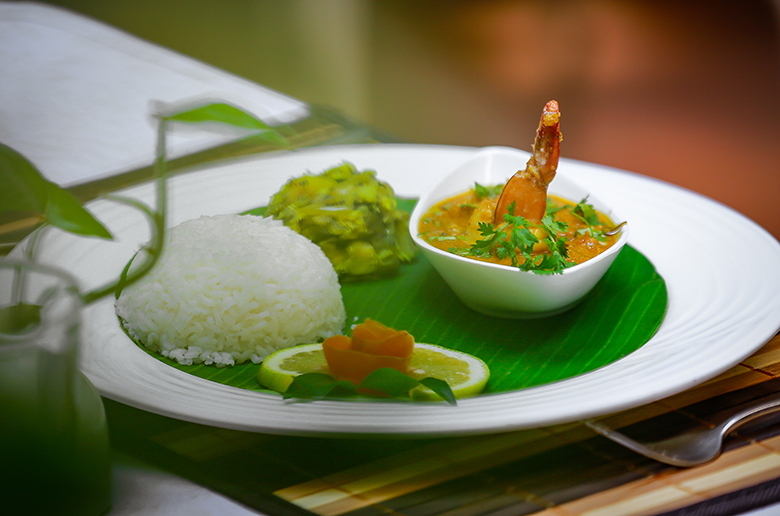
The East Indies Restaurant at Eighth Bastion has taken a Dutch colonial themed approach to their dishes. The menu has been thoughtfully constructed with dishes sourced from countries where the Dutch travelled and traded. Here you find a delicious use of peanut and sambal or cognac and cream to create innovative dishes with the local seafood and old Dutch favourites.
Chef Shinto’s Prawn and Mango in Banana Leaf
Wayanad – Wayanad Wild
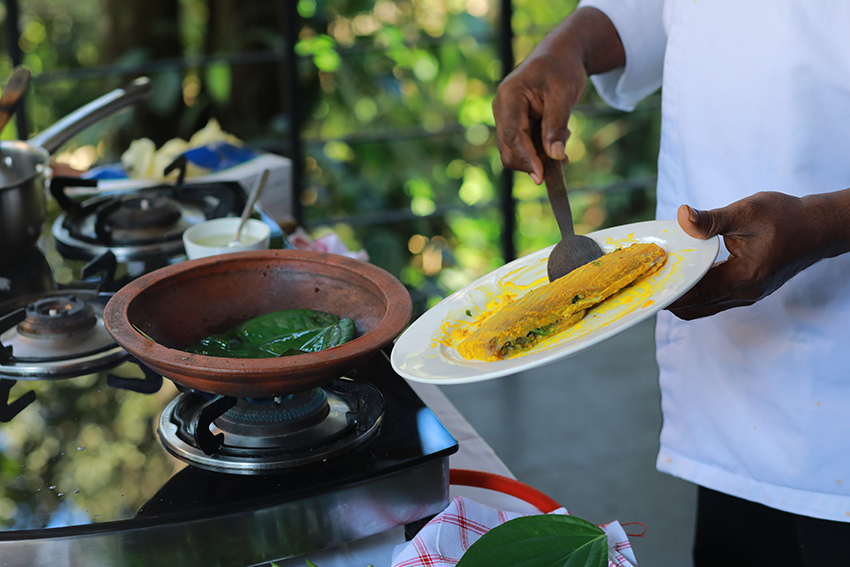
Wayanad Wild in the rainforest of the Western Ghats uses local foods and produce, like Bamboo Rice, to create traditional regional dishes. But the menu is also a testimony to the South Indian love of fish and seafood no matter where you are in southern India.
Chef Vishnu’s Malabar Fish Curry
Kumbakonam – Mantra Koodam
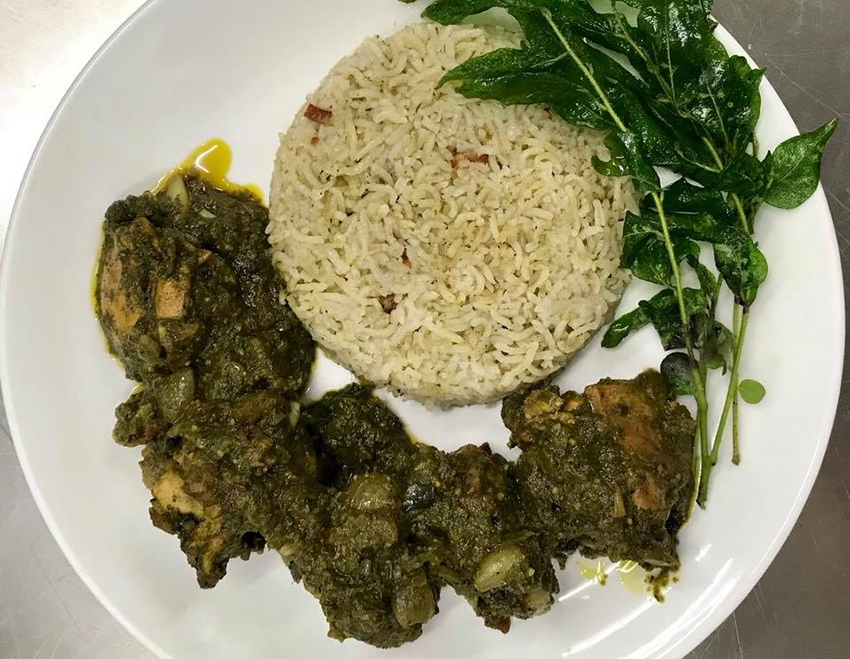
Deep in the spiritual pilgrimage temple region of rural Tamil Nadu I was expecting to find mostly vegetarian dishes but in fact discovered many Tamil dishes including chicken or fish. Here I was introduced to Kalpasi, a species of lichen used as spice, curry leaves used as a paste and an amazing hibiscus raita using urad dal, a common Tamil spice. This is the place to try the famous ‘degree coffee’ a very special south indian filter coffee where the quality of the milk is measured with a lactometer.
Chef Murutharanan’s Tamil Nadu Curry Leaves Pepper Chicken
Deprecated: Creation of dynamic property WP_Term::$term_order is deprecated in D:\inetpub\vhosts\cghearth.com\httpdocs\earthcalling\wp-includes\class-wp-term.php on line 198
Deprecated: Creation of dynamic property WP_Term::$term_order is deprecated in D:\inetpub\vhosts\cghearth.com\httpdocs\earthcalling\wp-includes\class-wp-term.php on line 198
Deprecated: Creation of dynamic property WP_Term::$cat_ID is deprecated in D:\inetpub\vhosts\cghearth.com\httpdocs\earthcalling\wp-includes\category.php on line 378
Deprecated: Creation of dynamic property WP_Term::$category_count is deprecated in D:\inetpub\vhosts\cghearth.com\httpdocs\earthcalling\wp-includes\category.php on line 379
Deprecated: Creation of dynamic property WP_Term::$category_description is deprecated in D:\inetpub\vhosts\cghearth.com\httpdocs\earthcalling\wp-includes\category.php on line 380
Deprecated: Creation of dynamic property WP_Term::$cat_name is deprecated in D:\inetpub\vhosts\cghearth.com\httpdocs\earthcalling\wp-includes\category.php on line 381
Deprecated: Creation of dynamic property WP_Term::$category_nicename is deprecated in D:\inetpub\vhosts\cghearth.com\httpdocs\earthcalling\wp-includes\category.php on line 382
Deprecated: Creation of dynamic property WP_Term::$category_parent is deprecated in D:\inetpub\vhosts\cghearth.com\httpdocs\earthcalling\wp-includes\category.php on line 383
Deprecated: Creation of dynamic property WP_Term::$term_order is deprecated in D:\inetpub\vhosts\cghearth.com\httpdocs\earthcalling\wp-includes\class-wp-term.php on line 198
Deprecated: Creation of dynamic property WP_Term::$term_order is deprecated in D:\inetpub\vhosts\cghearth.com\httpdocs\earthcalling\wp-includes\class-wp-term.php on line 198
Perumal Koil Street is the second right on the way to Mission Street from the Lotus Hotel that is near Beach Road. This is important. On the other hand, nearly everybody in Pondicherry knows where the old registrar’s office used to be and some of the couples who were married at this illustrious if (then) decrepit building even came by for the opening. And what an astonishing transformation they must have seen.
The invitation to the compact 10-room property begins right off said street in the even-now French city’s bustling Tamil Quarter. The cheerful thinnai (traditional sit-out) leads to a sunlit courtyard, its floor a charming red oxide. Barring the discreet elevator and the even more discreet numbering of rooms, there is little to suggest that Maison Perumal isn’t the home of someone with considerable wealth and good taste.
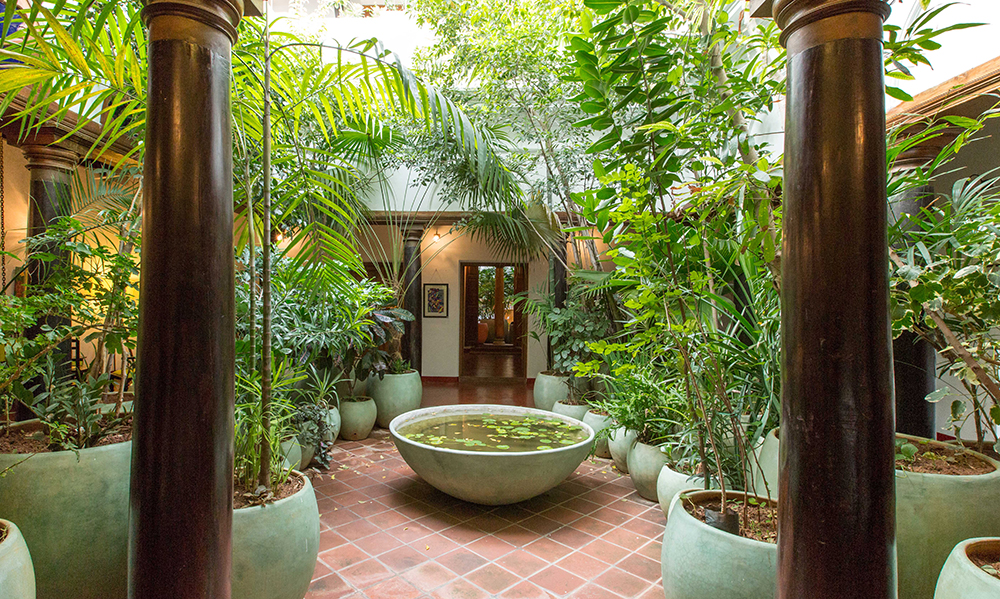
CGH Earth’s uniquely elegant minimalism is in evidence here as well. The Cuddapah flooring in the bathroom is unpolished, and the furniture and gorgeously tall doors appear unvarnished. The white walls have a corrugated finish and set off the dark wood beams of the Madras ceiling superbly. Sombre, sepia-tinted photo portraits make up the décor. On special occasions such as birthdays and anniversaries, a rose and jasmine floral arrangement on the turned sheet of a bed welcomes guests to their rooms. The half-length mirror mounted on the antique wardrobe is the only concession to a dressing area. But little comforts like a spacious bathroom — no room for a tub here, of course — a coffee maker , short eats or a refrigerator with drinks, might be missed.
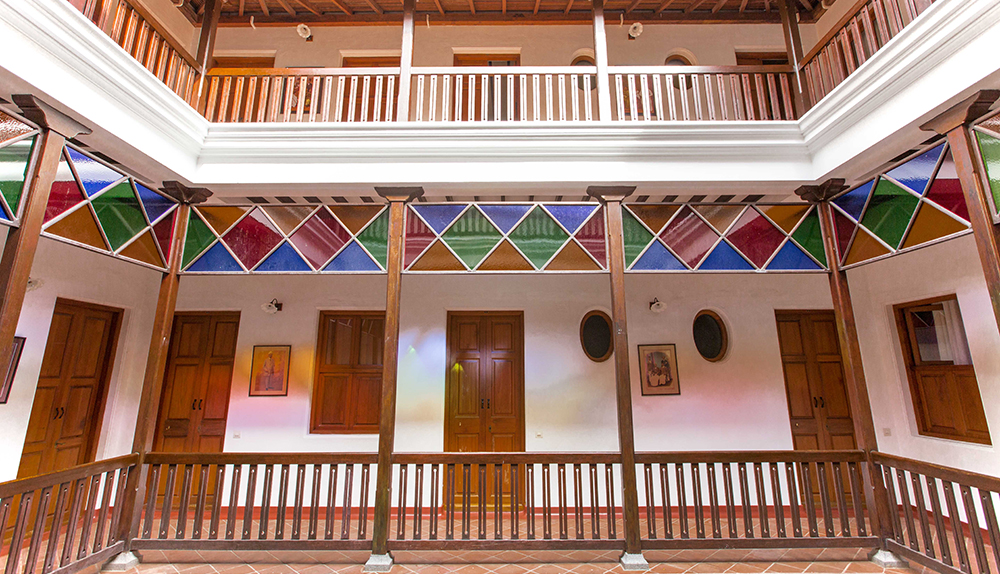
The stark white linen in the rooms, and ditto table cloth and flatware in the Maison Perumal restaurant, the unevenly hand-finished mustard flooring and signature-print fuchsia, purple and turquoise pillow cases (note the same exquisite pattern frames the bathroom mirror), the crisp bags fashioned out of dated newspaper for the complimentary jute bedroom slippers, the unlined wood dustbins, the neem soap from Auroville that looks like, of all things, speckled white chocolate — if God is in the details, Maison Perumal is nearly divine. But what this writer will remember the most is the tiny peengan jaadi (ceramic pickle jar) in which comes the shampoo.
Without trying too hard, the old-fashioned semi-circular tank and urns with potted plants and mossy water that cluster about the ‘lobby’ render flower-laden bronze urulis passé, and the stained-glass balconies overlooking the courtyard bring in just the right splash of irreverent colour — look for the rainbow-hued play of sunlight on the walls of the first floor in the morning.
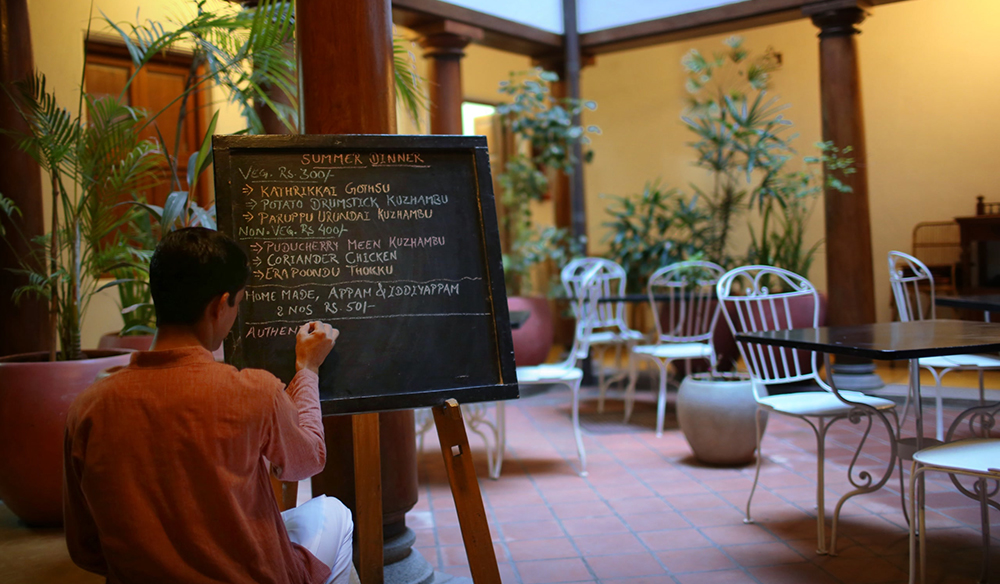
Interestingly, the kitchen does not have a deep freezer so the catch, and mutton, is procured fresh. For dinner, non-vegetarians may have a grilled seafood platter. The chef goes to the market daily to buy the catch of the day.
Dishes outside of the house ‘theme’ may be arranged (the grilled vegetables in pesto sauce is very good). Cut fruit is available. A bar is in the offing. All of which certainly does away with the need for a menu card and is not without benefits. When a delicious lemon-and-lentil soup of the day materialized unexpectedly for dinner, it was difficult not to whoop for joy. Regardless. Maison Perumal’s classy arrival, particularly in Pondicherry’s frequently overlooked Tamil Quarter, calls for celebration. Sit across the antique desk that serves as the reception or enjoy the oonjal (the gentle, long swing crafted out of a plank of jackfruit wood). Imagine the open-to-sky mutrams when it rains — as in many traditional homes, two central courtyards let in the elements here. It took a year and a half to partly restore and partly extend this privately owned property now on long lease, and without such lavish love, this mansion would have been sacrificed to obscurity.
Link to the article here.
]]>Deprecated: Creation of dynamic property WP_Term::$term_order is deprecated in D:\inetpub\vhosts\cghearth.com\httpdocs\earthcalling\wp-includes\class-wp-term.php on line 198
Deprecated: Creation of dynamic property WP_Term::$cat_ID is deprecated in D:\inetpub\vhosts\cghearth.com\httpdocs\earthcalling\wp-includes\category.php on line 378
Deprecated: Creation of dynamic property WP_Term::$category_count is deprecated in D:\inetpub\vhosts\cghearth.com\httpdocs\earthcalling\wp-includes\category.php on line 379
Deprecated: Creation of dynamic property WP_Term::$category_description is deprecated in D:\inetpub\vhosts\cghearth.com\httpdocs\earthcalling\wp-includes\category.php on line 380
Deprecated: Creation of dynamic property WP_Term::$cat_name is deprecated in D:\inetpub\vhosts\cghearth.com\httpdocs\earthcalling\wp-includes\category.php on line 381
Deprecated: Creation of dynamic property WP_Term::$category_nicename is deprecated in D:\inetpub\vhosts\cghearth.com\httpdocs\earthcalling\wp-includes\category.php on line 382
Deprecated: Creation of dynamic property WP_Term::$category_parent is deprecated in D:\inetpub\vhosts\cghearth.com\httpdocs\earthcalling\wp-includes\category.php on line 383
Deprecated: Creation of dynamic property WP_Term::$term_order is deprecated in D:\inetpub\vhosts\cghearth.com\httpdocs\earthcalling\wp-includes\class-wp-term.php on line 198
Deprecated: Creation of dynamic property WP_Term::$term_order is deprecated in D:\inetpub\vhosts\cghearth.com\httpdocs\earthcalling\wp-includes\class-wp-term.php on line 198
Deprecated: Creation of dynamic property WP_Term::$term_order is deprecated in D:\inetpub\vhosts\cghearth.com\httpdocs\earthcalling\wp-includes\class-wp-term.php on line 198
Deprecated: Creation of dynamic property WP_Term::$term_order is deprecated in D:\inetpub\vhosts\cghearth.com\httpdocs\earthcalling\wp-includes\class-wp-term.php on line 198
Here, I share experiences and lessons from a journey that we, as an enterprise, have undertaken.
In 1988, when we were offered the contract to reconstruct and run the resort on Bangaram Island in the Lakshadweep Islands, we were a single hotel enterprise based in Kochi with limited resources. The contract also stipulated regulations to conserve the fragile ecology of the coral atolls and protect the interests of the island’s inhabitants. Then there was the issue of remote access (that continues to this day). Making matters trickier was the fact that both the destination and offering were new and unknown in the market.
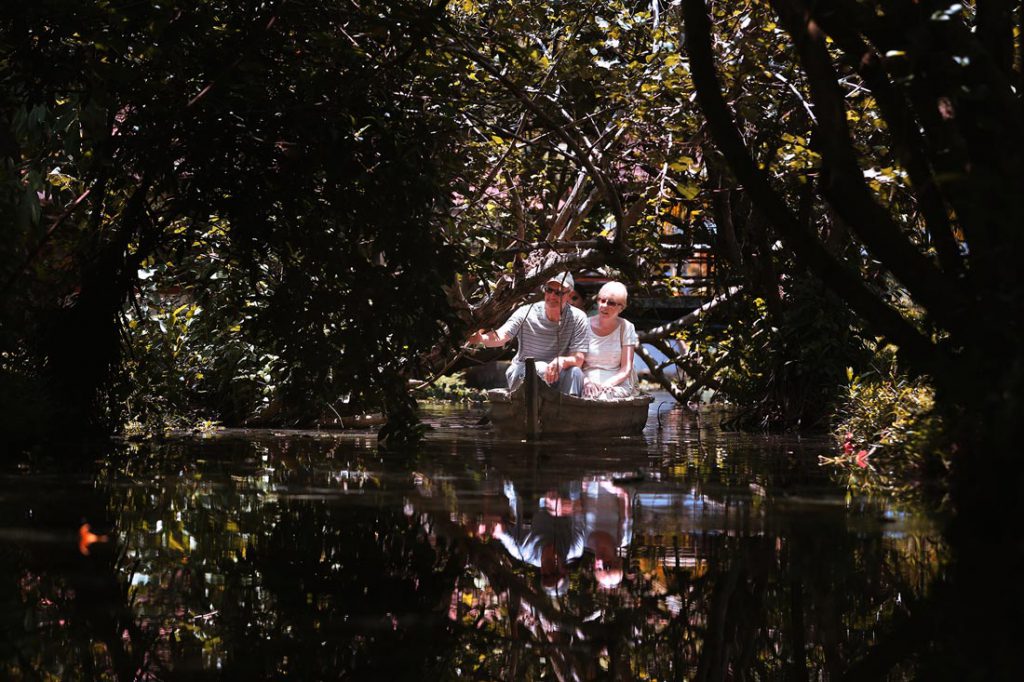
Our only solution was to attract travellers who would see the immense value in the wholeness of the offering, knowing nothing was added that could take away from the inherent beauty of the island. In fact, we only enhanced it. The advertised facilities of the hotel came to be the absence of ‘facilities’, such as telephone, television, and air-conditioning. Instead, we showcased local culture, architecture, and cuisine and provided a chance to engage with nature in its spectacular and pristine form, while treading gently. Every guest invariably came back, and wanted nothing changed.
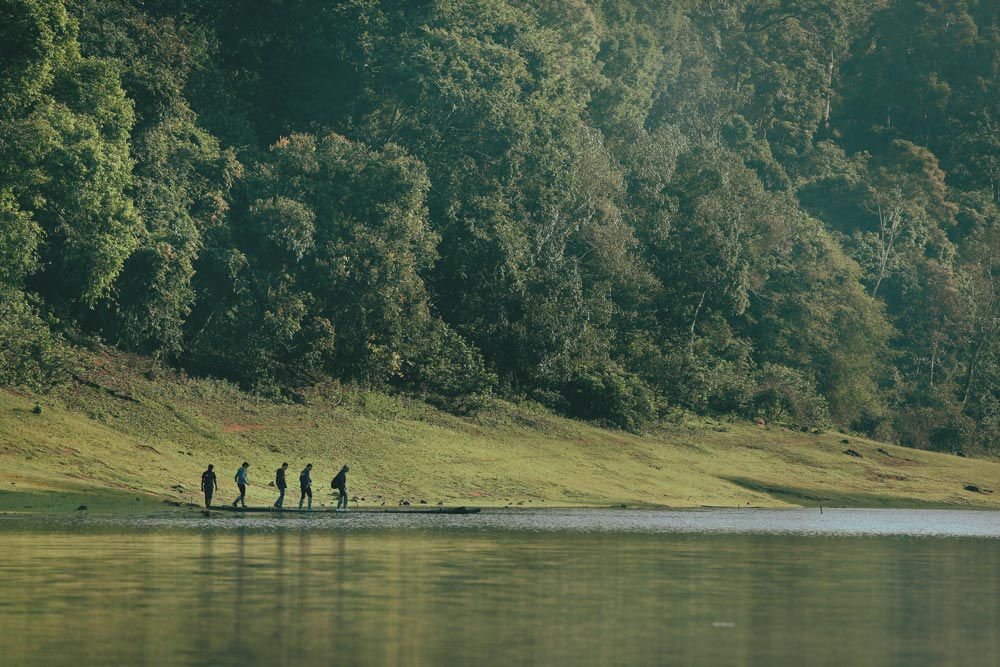
The success experienced initially at Lakshadweep and later in Kerala clearly indicated the growing strength of the AIT (Alert Independent Traveller) demographic. The approach we took was to ‘do just enough’, with the belief that true luxury was more than the conventional meaning of `opulence of built space’. The lessons in preservation we learnt were not only the foundation of our growth but also instrumental in the decision to change our company’s name from Casino Group of Hotels to CGH Earth, to better represent the non-negotiable core values – respect for the environment, community, and the local ethos.
“More than an escape. It is about fulfillment”
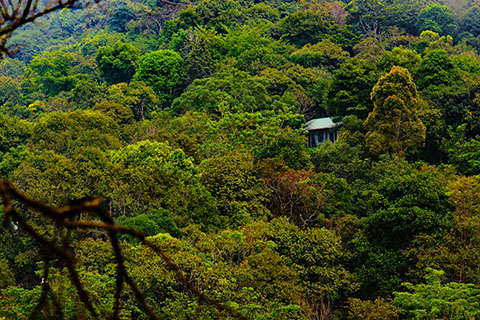
Today, after 18 years and several hotels and resorts across South India, the Bangaram experience continues to inspire us. Apart from the discovery that less is more, this journey revealed that sensitive tourism does not mean restrictions; in fact, our experience showed that ecological and cultural sensitivity can be a part of the experience, making it all the more enjoyable. So it’s more than an escape. It is about fulfilment.