Deprecated: Creation of dynamic property WP_Term::$term_order is deprecated in D:\inetpub\vhosts\cghearth.com\httpdocs\earthcalling\wp-includes\class-wp-term.php on line 198
Deprecated: Creation of dynamic property WP_Term::$term_order is deprecated in D:\inetpub\vhosts\cghearth.com\httpdocs\earthcalling\wp-includes\class-wp-term.php on line 198
Deprecated: Creation of dynamic property WP_Term::$term_order is deprecated in D:\inetpub\vhosts\cghearth.com\httpdocs\earthcalling\wp-includes\class-wp-term.php on line 198
Deprecated: Creation of dynamic property WP_Term::$term_order is deprecated in D:\inetpub\vhosts\cghearth.com\httpdocs\earthcalling\wp-includes\class-wp-term.php on line 198
Deprecated: Creation of dynamic property WP_Term::$term_order is deprecated in D:\inetpub\vhosts\cghearth.com\httpdocs\earthcalling\wp-includes\class-wp-term.php on line 198
Deprecated: Creation of dynamic property WP_Term::$term_order is deprecated in D:\inetpub\vhosts\cghearth.com\httpdocs\earthcalling\wp-includes\class-wp-term.php on line 198
Deprecated: Creation of dynamic property WP_Term::$cat_ID is deprecated in D:\inetpub\vhosts\cghearth.com\httpdocs\earthcalling\wp-includes\category.php on line 378
Deprecated: Creation of dynamic property WP_Term::$category_count is deprecated in D:\inetpub\vhosts\cghearth.com\httpdocs\earthcalling\wp-includes\category.php on line 379
Deprecated: Creation of dynamic property WP_Term::$category_description is deprecated in D:\inetpub\vhosts\cghearth.com\httpdocs\earthcalling\wp-includes\category.php on line 380
Deprecated: Creation of dynamic property WP_Term::$cat_name is deprecated in D:\inetpub\vhosts\cghearth.com\httpdocs\earthcalling\wp-includes\category.php on line 381
Deprecated: Creation of dynamic property WP_Term::$category_nicename is deprecated in D:\inetpub\vhosts\cghearth.com\httpdocs\earthcalling\wp-includes\category.php on line 382
Deprecated: Creation of dynamic property WP_Term::$category_parent is deprecated in D:\inetpub\vhosts\cghearth.com\httpdocs\earthcalling\wp-includes\category.php on line 383
Deprecated: Creation of dynamic property WP_Term::$term_order is deprecated in D:\inetpub\vhosts\cghearth.com\httpdocs\earthcalling\wp-includes\class-wp-term.php on line 198
Deprecated: Creation of dynamic property WP_Term::$term_order is deprecated in D:\inetpub\vhosts\cghearth.com\httpdocs\earthcalling\wp-includes\class-wp-term.php on line 198

Kerala is often called “God’s own country.” It’s a beautiful, tropical state in South India with palm-tree lined beaches, an extensive system of Backwaters, rolling green hills, wildlife and tiger reserves, and much, much more. Kerala is a soft landing for first time visitors to India, and a gentle respite from some of the more hectic parts of the country. There’s a lot to see and do all over the state. This post is a suggested itinerary based on a 10-day trip I took with photographer Andrew Adams to five Kerala hotels and resorts managed by CGH Earth.

We visited five Kerala hotels. We started at Marari Beach Resort on the Arabian Sea coast, then drove up into the cool, fragrant Cardamom Hills to visit Spice Village in Thekkady – and Periyar Tiger Reserve. Then, we drove back down to the Backwaters of Kumarakom to stay at legendary Coconut Lagoon before heading into the historic port city of Fort Cochin / Kochi and the iconic Brunton Boatyard hotel. Our final stop was the show-stopper: we were the only guests at a private, royal retreat – the former palace of an erstwhile king – called Chittoor Kottaram.

Link to the article : Breathedreamgo
]]>Deprecated: Creation of dynamic property WP_Term::$term_order is deprecated in D:\inetpub\vhosts\cghearth.com\httpdocs\earthcalling\wp-includes\class-wp-term.php on line 198
Deprecated: Creation of dynamic property WP_Term::$term_order is deprecated in D:\inetpub\vhosts\cghearth.com\httpdocs\earthcalling\wp-includes\class-wp-term.php on line 198
Deprecated: Creation of dynamic property WP_Term::$term_order is deprecated in D:\inetpub\vhosts\cghearth.com\httpdocs\earthcalling\wp-includes\class-wp-term.php on line 198
Deprecated: Creation of dynamic property WP_Term::$cat_ID is deprecated in D:\inetpub\vhosts\cghearth.com\httpdocs\earthcalling\wp-includes\category.php on line 378
Deprecated: Creation of dynamic property WP_Term::$category_count is deprecated in D:\inetpub\vhosts\cghearth.com\httpdocs\earthcalling\wp-includes\category.php on line 379
Deprecated: Creation of dynamic property WP_Term::$category_description is deprecated in D:\inetpub\vhosts\cghearth.com\httpdocs\earthcalling\wp-includes\category.php on line 380
Deprecated: Creation of dynamic property WP_Term::$cat_name is deprecated in D:\inetpub\vhosts\cghearth.com\httpdocs\earthcalling\wp-includes\category.php on line 381
Deprecated: Creation of dynamic property WP_Term::$category_nicename is deprecated in D:\inetpub\vhosts\cghearth.com\httpdocs\earthcalling\wp-includes\category.php on line 382
Deprecated: Creation of dynamic property WP_Term::$category_parent is deprecated in D:\inetpub\vhosts\cghearth.com\httpdocs\earthcalling\wp-includes\category.php on line 383
Deprecated: Creation of dynamic property WP_Term::$term_order is deprecated in D:\inetpub\vhosts\cghearth.com\httpdocs\earthcalling\wp-includes\class-wp-term.php on line 198
This is prepared by the guests and chef in a local style at a small, traditionally thatched area near the vegetable patch. “We like eating and we love cooking, so this was a very interesting experience. Also, we realise that the Indian cooking we tried back home was quite different.”
The meal that was brought to the table was a hearty, herby stew, a main course of banana curry, amaranth, mixed beans, fish wrapped in banana leaf, along with rice, and a dessert of coconut milk with hibiscus, freshly made and served hot.

At the 50-Mile Diet restaurant in Spice Village, where fragrant spices grow in abundance, all ingredients are sourced within a 50-mile radius, in an effort to cut down our carbon footprint. Each dish has a unique compelling evocation which is particularly adapted to the place or cultural interaction. The Kerala hotels provide innovative regional variations on the state’s trade-influenced cuisines. In Brunton Boatyard, the cuisine features Jewish and British influences from its trading and colonial past. The Eight Bastion, also in Fort Kochi, has a menu designed to include the distinct Dutch flavours.

Marari Beach Resort’s proximity to the sea and the natural beauty of the fishing village means that the catch of the day, in several delectable avatars, is a star attraction on the menu! Spice Village, set on the fringes of the Periyar Tiger Reserve, showcases influences of the local tribes, while Coconut Lagoon, that also harvests most of its produce (such as the red Kerala rice) within the property, boasts central Tranvancore cuisine, such as coconut milk-based ‘mappas’, and duck specialties of the Kuttanad region. Similarly, aboard Spice Coast Cruises, the food is deeply reminiscent of local and cultural interactions, while in at Chittoor Kottaram, the n ‘sadyas’ (meals) are fit for rajahs.

At wellness resorts Kalari Kovilakom, Kalari Rasayana, SwaSwara and the new Vanavasaa, the food is dosha-specific and typically Sattvik in nature. Your diet is determined by the in-house Vaidya after a detailed consultation. We also serve seafood.

At our hotels in Tamil Nadu, the cuisine is rather specific: while Maison Perumal in Puducherry brings you gourmet Tamil cuisine, Palais de Mahe serves it to you with an international twist, and the café offers fresh, continental salads and sandwiches. Visalam, a home in Chettinad, serves the popular local and distinctive Chettinad cuisine. Everything is prepared gourmet style, with a lot of finesse and flair, by skilled local chefs.
The ‘most romantic getaway in India’ (according to Conde Nast Traveller), Coconut Lagoon, along the banks of the backwaters in Kuttanad, uses its traditional, scenic setting to full advantage, offering a dining experience like other. From paddy hut dining with a great view of the birds, to eating a Curry Lunch on a long table, the experience is atmospheric, connected and wholesome.

Finally, our guests always point out that the food experience is always made more memorable for them by the warm staff, several of whom become their friends.
]]>Deprecated: Creation of dynamic property WP_Term::$term_order is deprecated in D:\inetpub\vhosts\cghearth.com\httpdocs\earthcalling\wp-includes\class-wp-term.php on line 198
Deprecated: Creation of dynamic property WP_Term::$term_order is deprecated in D:\inetpub\vhosts\cghearth.com\httpdocs\earthcalling\wp-includes\class-wp-term.php on line 198
Deprecated: Creation of dynamic property WP_Term::$term_order is deprecated in D:\inetpub\vhosts\cghearth.com\httpdocs\earthcalling\wp-includes\class-wp-term.php on line 198
Deprecated: Creation of dynamic property WP_Term::$term_order is deprecated in D:\inetpub\vhosts\cghearth.com\httpdocs\earthcalling\wp-includes\class-wp-term.php on line 198
Deprecated: Creation of dynamic property WP_Term::$cat_ID is deprecated in D:\inetpub\vhosts\cghearth.com\httpdocs\earthcalling\wp-includes\category.php on line 378
Deprecated: Creation of dynamic property WP_Term::$category_count is deprecated in D:\inetpub\vhosts\cghearth.com\httpdocs\earthcalling\wp-includes\category.php on line 379
Deprecated: Creation of dynamic property WP_Term::$category_description is deprecated in D:\inetpub\vhosts\cghearth.com\httpdocs\earthcalling\wp-includes\category.php on line 380
Deprecated: Creation of dynamic property WP_Term::$cat_name is deprecated in D:\inetpub\vhosts\cghearth.com\httpdocs\earthcalling\wp-includes\category.php on line 381
Deprecated: Creation of dynamic property WP_Term::$category_nicename is deprecated in D:\inetpub\vhosts\cghearth.com\httpdocs\earthcalling\wp-includes\category.php on line 382
Deprecated: Creation of dynamic property WP_Term::$category_parent is deprecated in D:\inetpub\vhosts\cghearth.com\httpdocs\earthcalling\wp-includes\category.php on line 383
Deprecated: Creation of dynamic property WP_Term::$term_order is deprecated in D:\inetpub\vhosts\cghearth.com\httpdocs\earthcalling\wp-includes\class-wp-term.php on line 198
There are memories about the food at CGH Earth. There is a businessman who tells us he has returned many times with family, friends and business associates to Casino Hotel’s famed Fort Kochi restaurant, where you can pick your seafood from a fresh platter, and have it cooked the way you would like.

There was a lady who was treated to evening tea by her fiancé in the late ‘70s, at Casino’s Tharavad restaurant. She never had the chance to come back after they started a family, but she says that even now after nearly 30 years, she still can’t forget how nervous she was or how delicious the cutlets were. Then there are the stories of our chefs. Many of them love the idea of being “farmer-chefs” and growing their own herbs.

The food and recipes at CGH Earth tell a story of colourful history and heritage, resting on the foundation of authentic, wholesome tastes. Sometimes they are about re-living long lost traditions, and recipes passed down generations, with the same guiding CGH Earth philosophy of keeping nature intact. With a goal to retain freshness and flavour, the food is always local, seasonal and pure. It can be said that ‘gourmet healthy’ comprehensively conveys the idea behind the preparations. It is a gastronomic experience; well-presented and rich in flavour.

Every dish on our menus has a story and thought behind it that makes it a memorable dining experience for guests. There are the cutting-edge gastronomic experiences that CGH offers; at Marari Beach’s Farm Kitchen and the 50-Mile Diet at Spice Village, the food is almost a social and political statement.
]]>Deprecated: Creation of dynamic property WP_Term::$term_order is deprecated in D:\inetpub\vhosts\cghearth.com\httpdocs\earthcalling\wp-includes\class-wp-term.php on line 198
Deprecated: Creation of dynamic property WP_Term::$term_order is deprecated in D:\inetpub\vhosts\cghearth.com\httpdocs\earthcalling\wp-includes\class-wp-term.php on line 198
Deprecated: Creation of dynamic property WP_Term::$term_order is deprecated in D:\inetpub\vhosts\cghearth.com\httpdocs\earthcalling\wp-includes\class-wp-term.php on line 198
Deprecated: Creation of dynamic property WP_Term::$term_order is deprecated in D:\inetpub\vhosts\cghearth.com\httpdocs\earthcalling\wp-includes\class-wp-term.php on line 198
Deprecated: Creation of dynamic property WP_Term::$cat_ID is deprecated in D:\inetpub\vhosts\cghearth.com\httpdocs\earthcalling\wp-includes\category.php on line 378
Deprecated: Creation of dynamic property WP_Term::$category_count is deprecated in D:\inetpub\vhosts\cghearth.com\httpdocs\earthcalling\wp-includes\category.php on line 379
Deprecated: Creation of dynamic property WP_Term::$category_description is deprecated in D:\inetpub\vhosts\cghearth.com\httpdocs\earthcalling\wp-includes\category.php on line 380
Deprecated: Creation of dynamic property WP_Term::$cat_name is deprecated in D:\inetpub\vhosts\cghearth.com\httpdocs\earthcalling\wp-includes\category.php on line 381
Deprecated: Creation of dynamic property WP_Term::$category_nicename is deprecated in D:\inetpub\vhosts\cghearth.com\httpdocs\earthcalling\wp-includes\category.php on line 382
Deprecated: Creation of dynamic property WP_Term::$category_parent is deprecated in D:\inetpub\vhosts\cghearth.com\httpdocs\earthcalling\wp-includes\category.php on line 383
Deprecated: Creation of dynamic property WP_Term::$cat_ID is deprecated in D:\inetpub\vhosts\cghearth.com\httpdocs\earthcalling\wp-includes\category.php on line 378
Deprecated: Creation of dynamic property WP_Term::$category_count is deprecated in D:\inetpub\vhosts\cghearth.com\httpdocs\earthcalling\wp-includes\category.php on line 379
Deprecated: Creation of dynamic property WP_Term::$category_description is deprecated in D:\inetpub\vhosts\cghearth.com\httpdocs\earthcalling\wp-includes\category.php on line 380
Deprecated: Creation of dynamic property WP_Term::$cat_name is deprecated in D:\inetpub\vhosts\cghearth.com\httpdocs\earthcalling\wp-includes\category.php on line 381
Deprecated: Creation of dynamic property WP_Term::$category_nicename is deprecated in D:\inetpub\vhosts\cghearth.com\httpdocs\earthcalling\wp-includes\category.php on line 382
Deprecated: Creation of dynamic property WP_Term::$category_parent is deprecated in D:\inetpub\vhosts\cghearth.com\httpdocs\earthcalling\wp-includes\category.php on line 383
Deprecated: Creation of dynamic property WP_Term::$cat_ID is deprecated in D:\inetpub\vhosts\cghearth.com\httpdocs\earthcalling\wp-includes\category.php on line 378
Deprecated: Creation of dynamic property WP_Term::$category_count is deprecated in D:\inetpub\vhosts\cghearth.com\httpdocs\earthcalling\wp-includes\category.php on line 379
Deprecated: Creation of dynamic property WP_Term::$category_description is deprecated in D:\inetpub\vhosts\cghearth.com\httpdocs\earthcalling\wp-includes\category.php on line 380
Deprecated: Creation of dynamic property WP_Term::$cat_name is deprecated in D:\inetpub\vhosts\cghearth.com\httpdocs\earthcalling\wp-includes\category.php on line 381
Deprecated: Creation of dynamic property WP_Term::$category_nicename is deprecated in D:\inetpub\vhosts\cghearth.com\httpdocs\earthcalling\wp-includes\category.php on line 382
Deprecated: Creation of dynamic property WP_Term::$category_parent is deprecated in D:\inetpub\vhosts\cghearth.com\httpdocs\earthcalling\wp-includes\category.php on line 383
Deprecated: Creation of dynamic property WP_Term::$cat_ID is deprecated in D:\inetpub\vhosts\cghearth.com\httpdocs\earthcalling\wp-includes\category.php on line 378
Deprecated: Creation of dynamic property WP_Term::$category_count is deprecated in D:\inetpub\vhosts\cghearth.com\httpdocs\earthcalling\wp-includes\category.php on line 379
Deprecated: Creation of dynamic property WP_Term::$category_description is deprecated in D:\inetpub\vhosts\cghearth.com\httpdocs\earthcalling\wp-includes\category.php on line 380
Deprecated: Creation of dynamic property WP_Term::$cat_name is deprecated in D:\inetpub\vhosts\cghearth.com\httpdocs\earthcalling\wp-includes\category.php on line 381
Deprecated: Creation of dynamic property WP_Term::$category_nicename is deprecated in D:\inetpub\vhosts\cghearth.com\httpdocs\earthcalling\wp-includes\category.php on line 382
Deprecated: Creation of dynamic property WP_Term::$category_parent is deprecated in D:\inetpub\vhosts\cghearth.com\httpdocs\earthcalling\wp-includes\category.php on line 383
Deprecated: Creation of dynamic property WP_Term::$term_order is deprecated in D:\inetpub\vhosts\cghearth.com\httpdocs\earthcalling\wp-includes\class-wp-term.php on line 198
Deprecated: Creation of dynamic property WP_Term::$term_order is deprecated in D:\inetpub\vhosts\cghearth.com\httpdocs\earthcalling\wp-includes\class-wp-term.php on line 198
What keeps you coming back?

My wife Paola and I have been holidaying at various CGH Earth resorts for over 20 years now. In fact, we were among the first guests to the beautiful island of Bangaram—a jewel—of which we could not seem to get enough; we went there 15 times. People sometimes complained about there being no hot water or about the quality of water, but we found these to be minor issues. When we could not go to Bangaram any longer, we checked out SwaSwara and this time, we are at Marari Beach. We keep coming back primarily for the quality of staff. Many of them are our friends now. Paola is a good cook and she used to exchange cooking tips with John, the chef at Bangaram, who used to rustle up the most amazing things with the limited resources at the island. Also, we appreciate the cleanliness here. We feel absolutely safe with the food and with the quality of drinking water. Of course, the style of the resorts is beautiful. We feel at home here and there is a sense of family.
— Yves Bensoussan, retired UN official, Italy

When I bring a friend over from Canada, they can see both sides of Kerala here… the traditional bits and also our love and respect for nature. I first came to Spice Village six years back, and it is still as beautiful and unspoiled as it was then. When my friends say that they had a peaceful, reflective holiday here, it makes me proud to be a Malayali.
— James Panikulam, Roman Catholic priest, Canada

SwaSwara is not a spa, not an ashram, not a “bling bling” resort. It is unique and hard to describe. I was here a year back for two weeks and thought that I wanted to come back this time for three. I brought my step-daughter and a friend who recently lost her husband. I felt that she could really feel at peace here. SwaSwara is peaceful and harmonious, but difficult to describe to someone who hasn’t come, because it is an emotional and personal experience; one can put down one’s baggage—and I’m not talking luggage—here. It feels peaceful and harmonious, and the ideal place to practice yoga. The water is welcoming and beautiful and of course, the staff is lovely.
— Marsha Crouzet, used to work in fashion and textiles, France
Deprecated: Creation of dynamic property WP_Term::$term_order is deprecated in D:\inetpub\vhosts\cghearth.com\httpdocs\earthcalling\wp-includes\class-wp-term.php on line 198
Deprecated: Creation of dynamic property WP_Term::$term_order is deprecated in D:\inetpub\vhosts\cghearth.com\httpdocs\earthcalling\wp-includes\class-wp-term.php on line 198
Deprecated: Creation of dynamic property WP_Term::$term_order is deprecated in D:\inetpub\vhosts\cghearth.com\httpdocs\earthcalling\wp-includes\class-wp-term.php on line 198
Deprecated: Creation of dynamic property WP_Term::$term_order is deprecated in D:\inetpub\vhosts\cghearth.com\httpdocs\earthcalling\wp-includes\class-wp-term.php on line 198
Deprecated: Creation of dynamic property WP_Term::$cat_ID is deprecated in D:\inetpub\vhosts\cghearth.com\httpdocs\earthcalling\wp-includes\category.php on line 378
Deprecated: Creation of dynamic property WP_Term::$category_count is deprecated in D:\inetpub\vhosts\cghearth.com\httpdocs\earthcalling\wp-includes\category.php on line 379
Deprecated: Creation of dynamic property WP_Term::$category_description is deprecated in D:\inetpub\vhosts\cghearth.com\httpdocs\earthcalling\wp-includes\category.php on line 380
Deprecated: Creation of dynamic property WP_Term::$cat_name is deprecated in D:\inetpub\vhosts\cghearth.com\httpdocs\earthcalling\wp-includes\category.php on line 381
Deprecated: Creation of dynamic property WP_Term::$category_nicename is deprecated in D:\inetpub\vhosts\cghearth.com\httpdocs\earthcalling\wp-includes\category.php on line 382
Deprecated: Creation of dynamic property WP_Term::$category_parent is deprecated in D:\inetpub\vhosts\cghearth.com\httpdocs\earthcalling\wp-includes\category.php on line 383
Deprecated: Creation of dynamic property WP_Term::$term_order is deprecated in D:\inetpub\vhosts\cghearth.com\httpdocs\earthcalling\wp-includes\class-wp-term.php on line 198
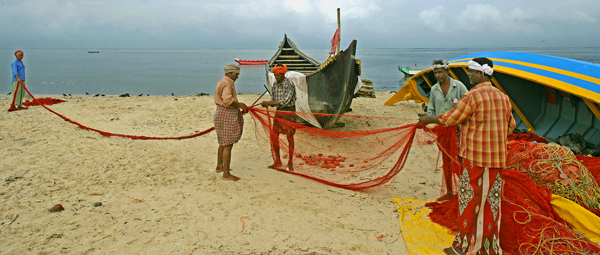
On a holiday at CGH Earth’s Marari Beach, you will find that you do not have the beach to yourself. In fact, that is one of the reasons why the resort won the prestigious and highly-competitive Skal International Eco-tourism award last year. Set up to honour initiatives that not only encourage the conservation of the environment, but also examine community participation, the award reflected Marari Beach’s innovations in conserving nature and the local environment, and working with the community. The resort, with its comfortable 62 cottages styled like a fishing village and spread over 25 acres of coconut grove, is private without being cut off. You could amble down to the local fishing village or exchange friendly ‘hellos’ with the local people on an evening walk down the village roads.
Marari Beach is seen as a good example of a responsible tourism project in a fishing village thanks to its efforts in actively involving the community and utilising the strength of the destination.
says Erin Louis, the General Manager of the resort. This is true of all CGH Earth destinations. And the only uniformity in the resorts under the hotel group is the minimal interference with nature or the local environment, without compromising on luxury. This style of functioning might have been a difficult decision to make two decades back when minimalism was not fashionable in the hospitality industry. But, as it turns out, with the growing concern over the environment and sustainability, it was a timely and well-appreciated one Like a poor man with a big heart, Bangaram, in the Lakshadweep Islands was a remote and bare destination, but one of great beauty, with some of the most spectacular corals in the world. The challenge was not how to turn it around so that it would be plush, but to continue to make it seem untouched. So, the ‘facilities’ are comfortable without causing disturbance, and the guests can’t seem to get enough of the less than 2 sq km island. One repeat guest celebrated her 500th dive in Bangaram last year.
Our first impression of Bangaram was of a nowadays almost unique experience and one that needs protecting. It is very rare to find simple, relatively unspoiled environments in which one can escape from telephones, newspapers, radio and television,
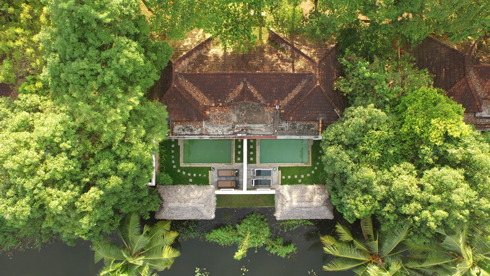
says Richard Peirce, who comes with wife Jacqui to Bangaram every year. “The CGH Earth philosophy of eco-friendliness and local community participation is of vital importance. If mankind doesn’t very soon stop in his headlong suicidal rush to ruin the planet, then I believe we too will eventually become extinct. Philosophies like those espoused by CGH are part of the jigsaw that we need to build if we are to have any chance at saving the planet.” In fact, Bangaram served as the guide for the resorts that followed in the CGH Earth group, and though each of them offers an exclusive experience, the green and home-grown aspects are central. While Marari Beach was honoured by Skal, Spice Village set amidst spice plantations in the Periyar Wildlife Reserve region, won Wild Asia’s annual Responsible Tourism Awards in the ‘Boutique Hotel’ category. The award citation suggests that “by demonstrating how easy and beneficial responsible tourism is to implement, we hope other operators will follow suit”.
Coconut Lagoon has led by example in eco issues such as waste management. Vembanad Lake, on which the resort is set, has a fragile eco-system. Tourism is a big industry in this region, and perhaps, Coconut Lagoon and the CGH Earth-managed houseboats are the few rare ones that do not pump effluents into the lake,
says K.K. Shajimon, president of the Ayemenem Grama Panchayat, the village administrative body, which facilitated the resort – the first time a panchayat has done so in Kerala. “They have also contributed computers and books to our schools, and encourage local women’s self-help groups, which make paper bags for the resorts.” Over the years, CGH Earth has upped the ante; from putting in place high-tech, state-of-the-art waste recycling and management systems, rainwater harvesting and vermi-composting to not using plastic bags, setting up patches of organic vegetables and ayurvedic plants and also butterfly gardens.
The quality of the naturalists at CGH Earth; the skills that they bring are very impressive,
says Hitesh Mehta, author and delegate of international tourism body, TIES. “In hospitality and as eco-resorts, the CGH Earth group is exemplary and in the top bracket. Now, the inspiration for the future has to come from within. It is not a bad idea, because so far it has worked with positive results.”